
Suggestions

mr. luna

to practice

opinions

about us

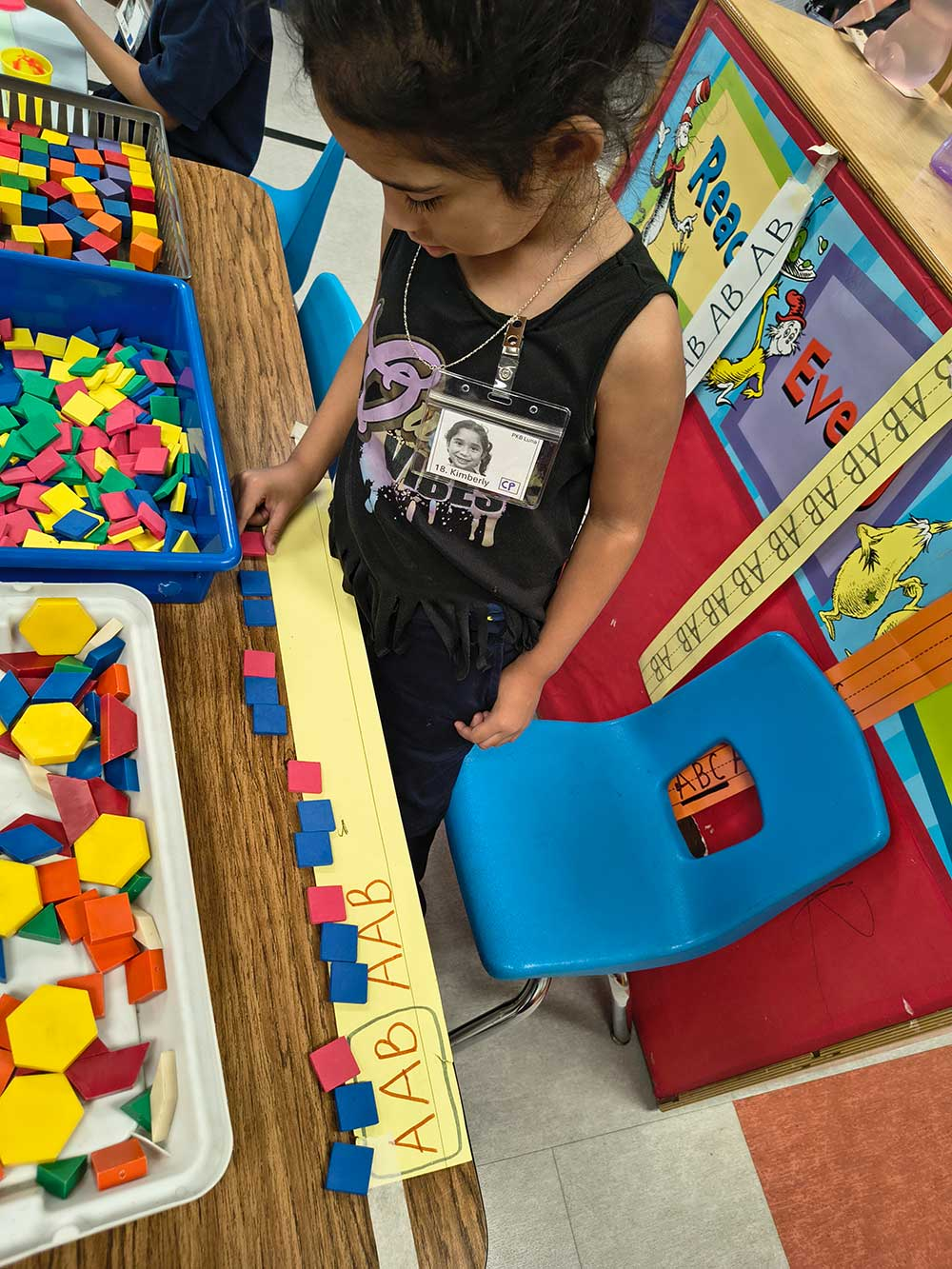
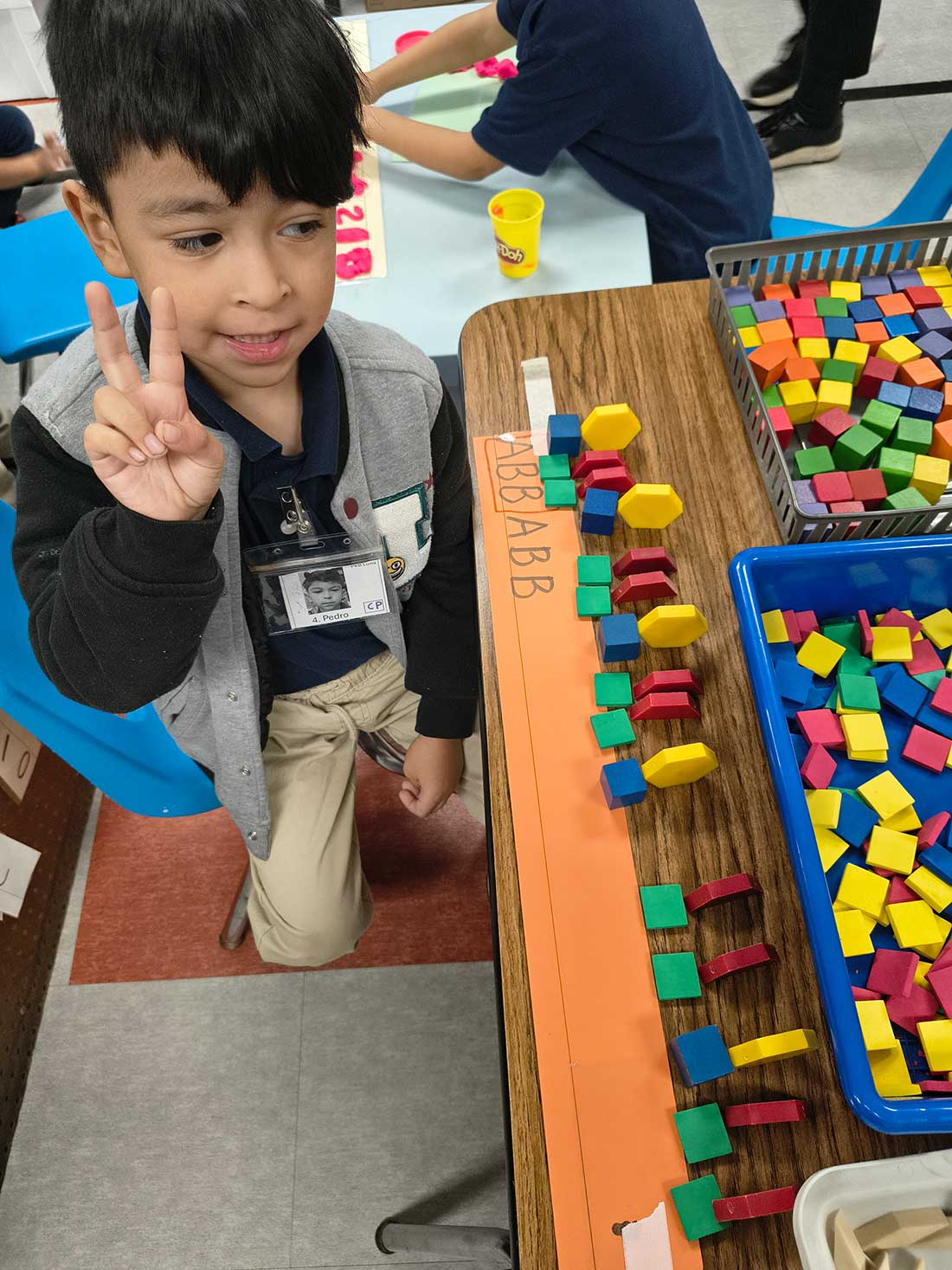
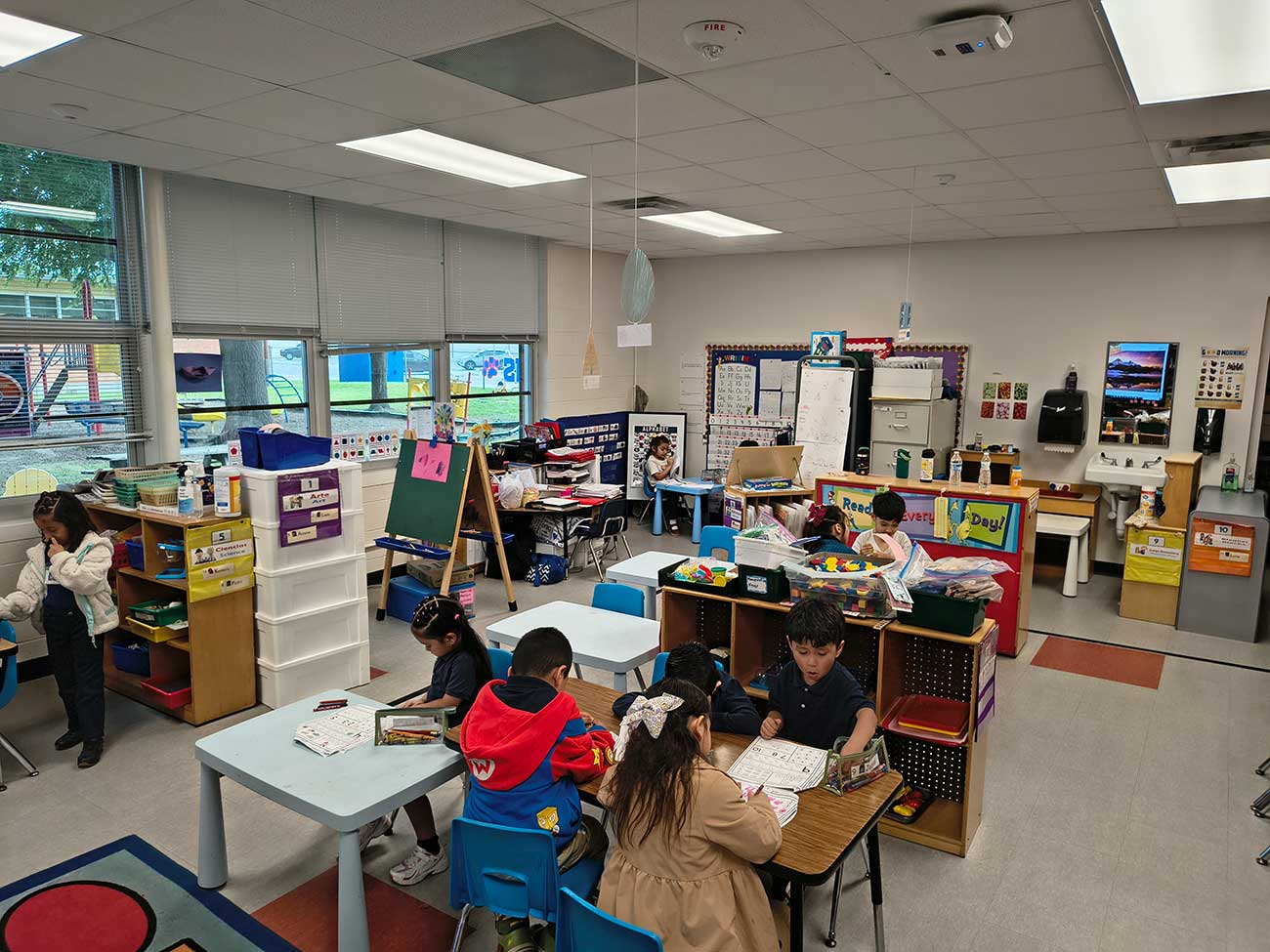
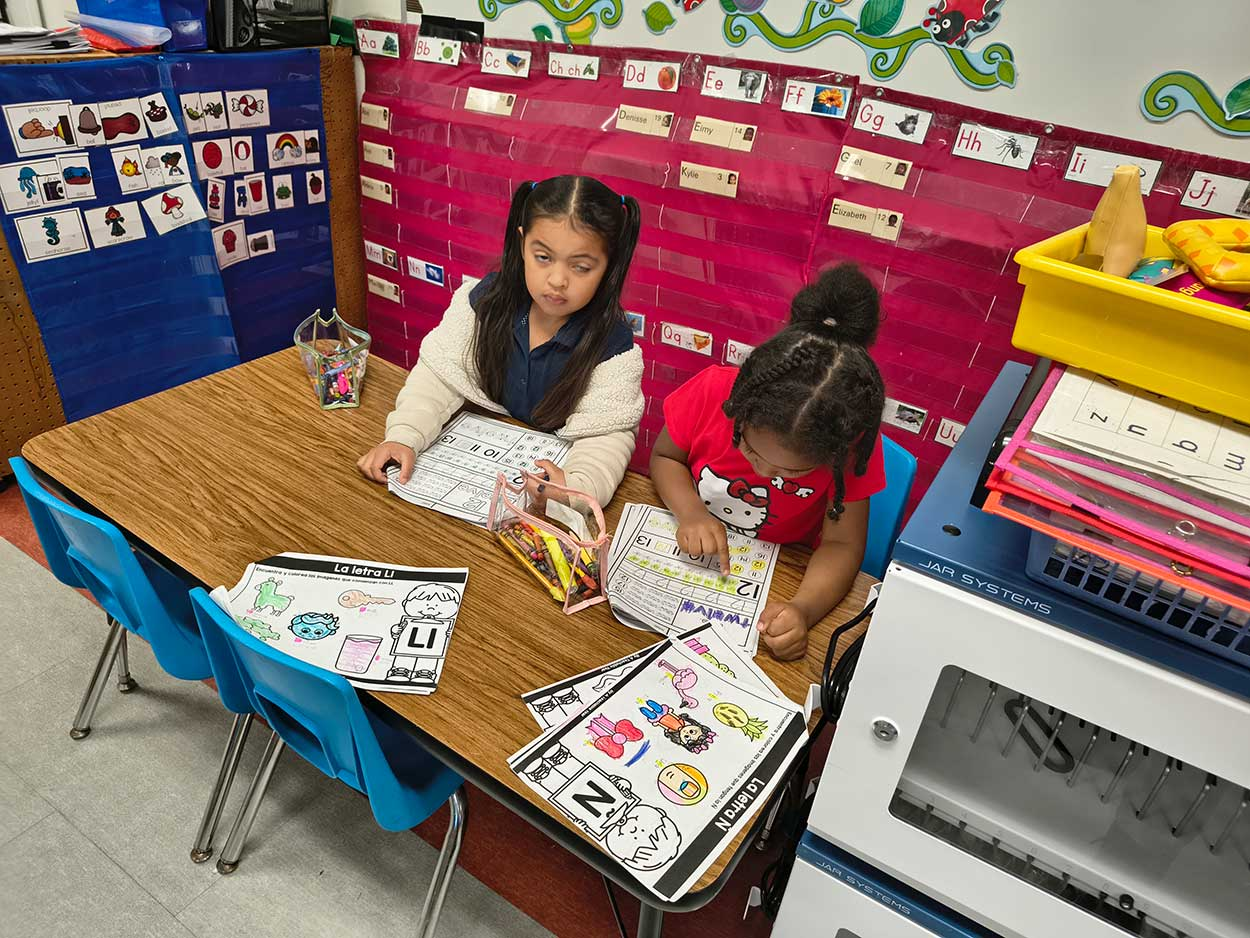
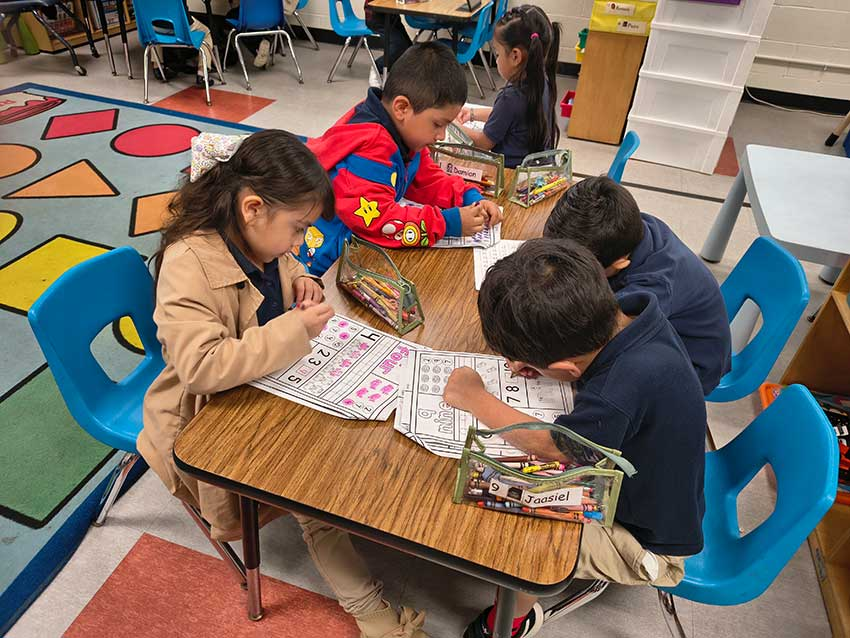
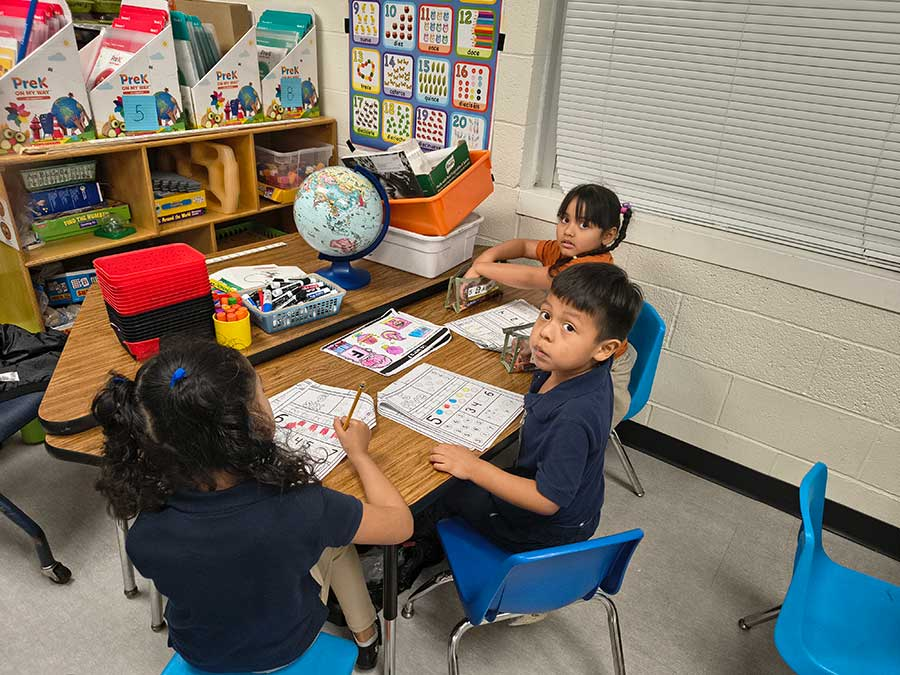
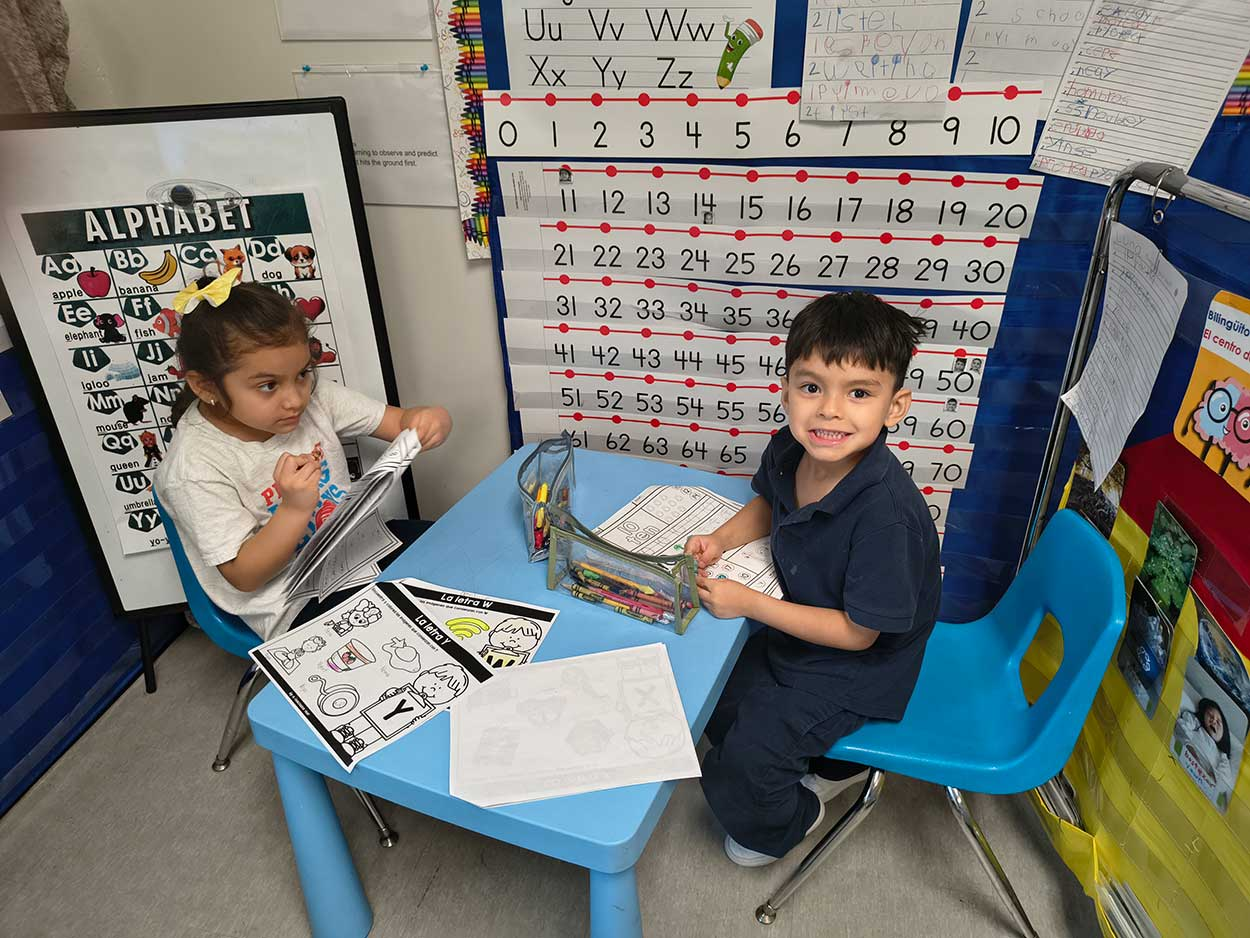
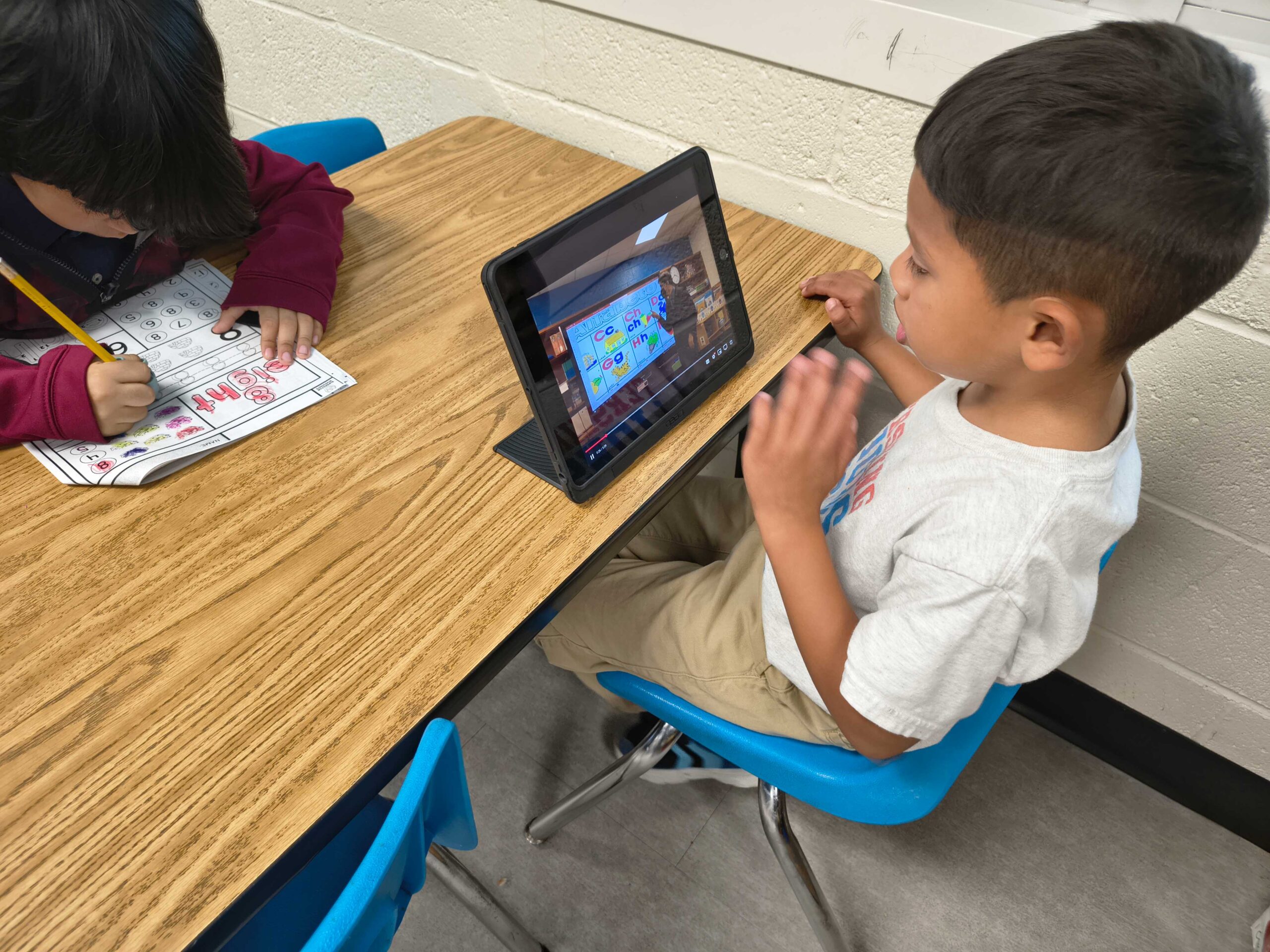
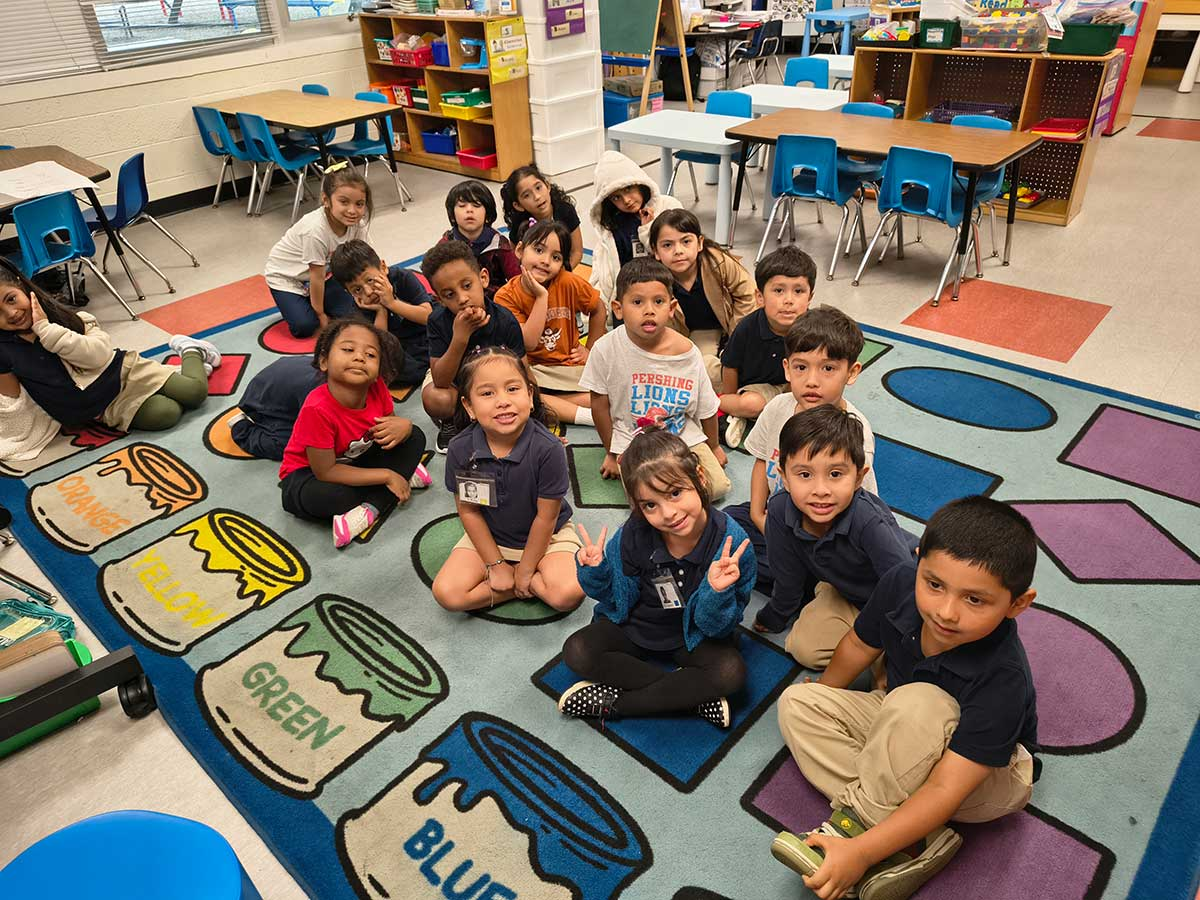
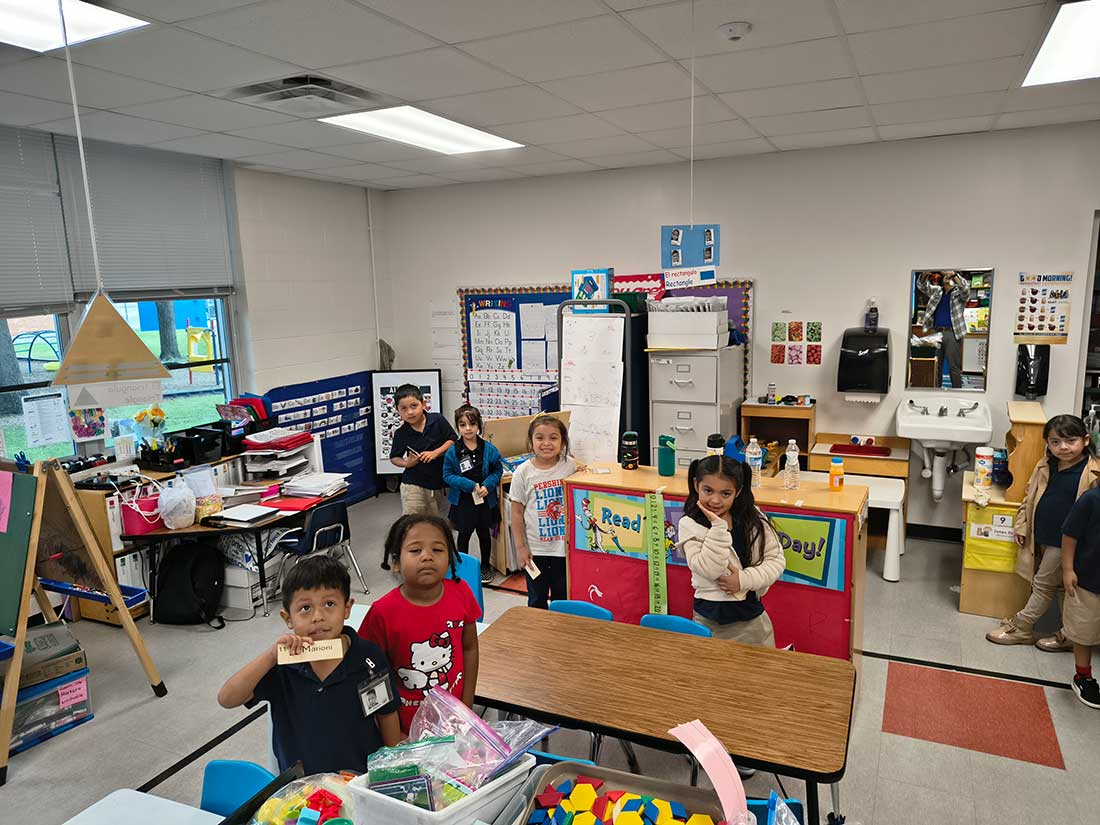
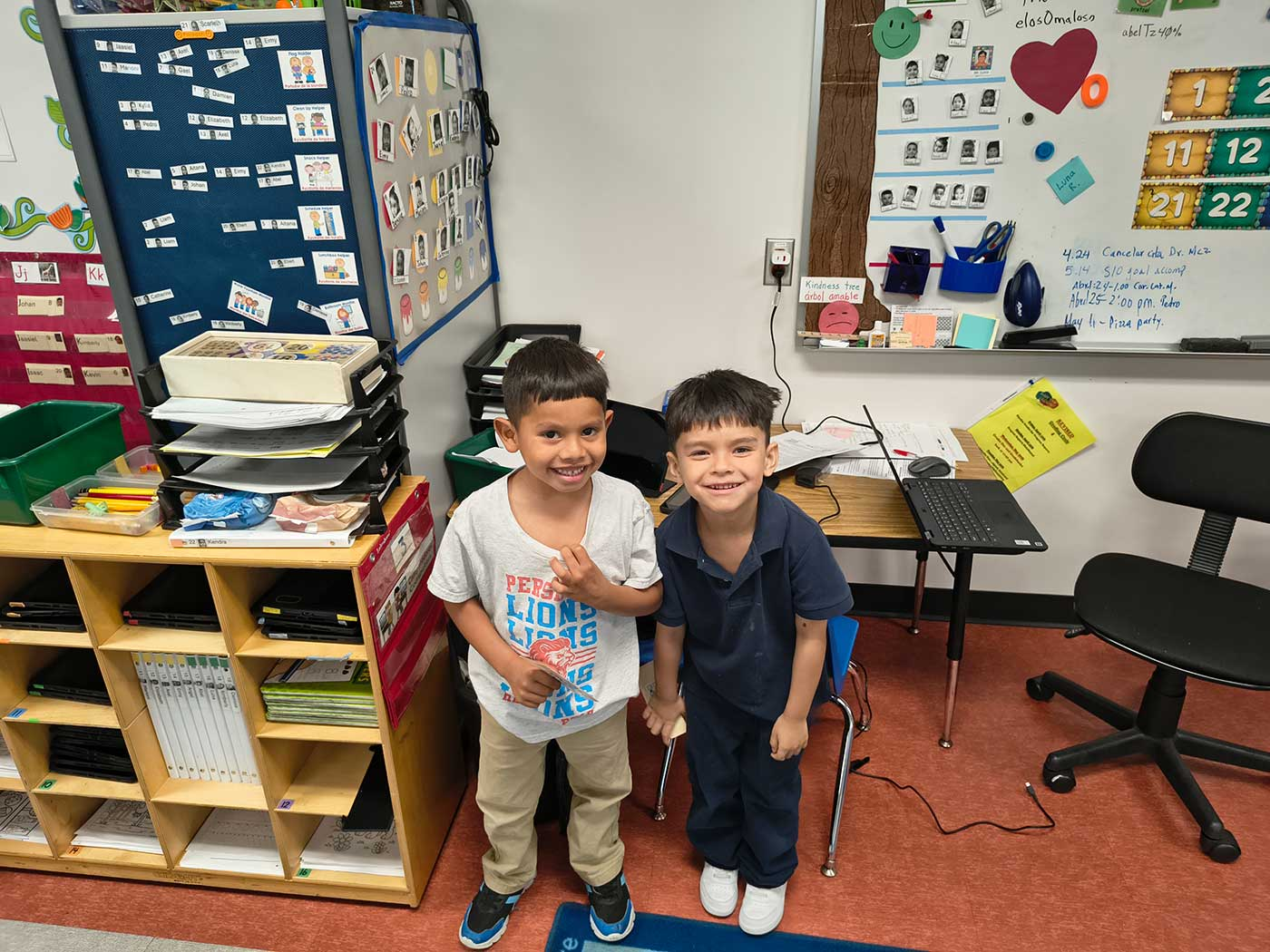
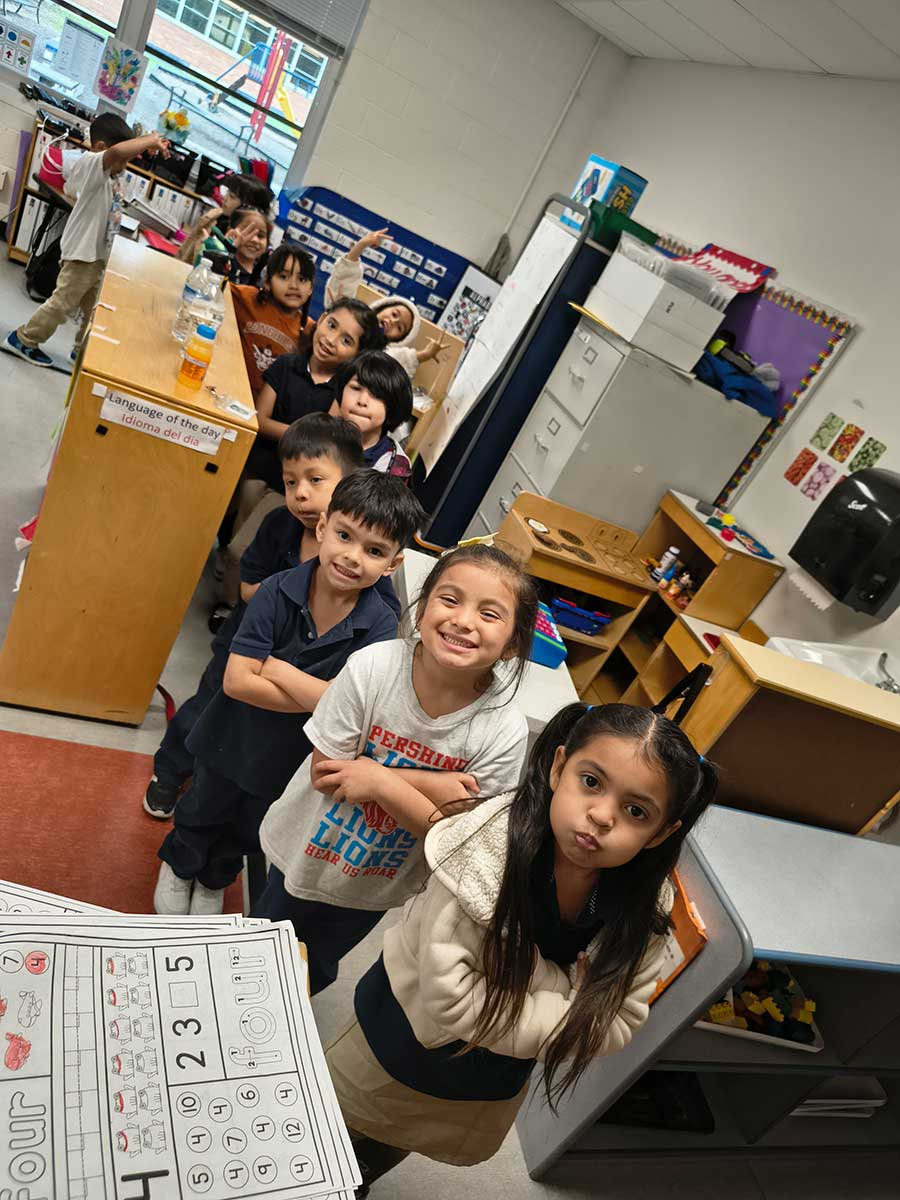
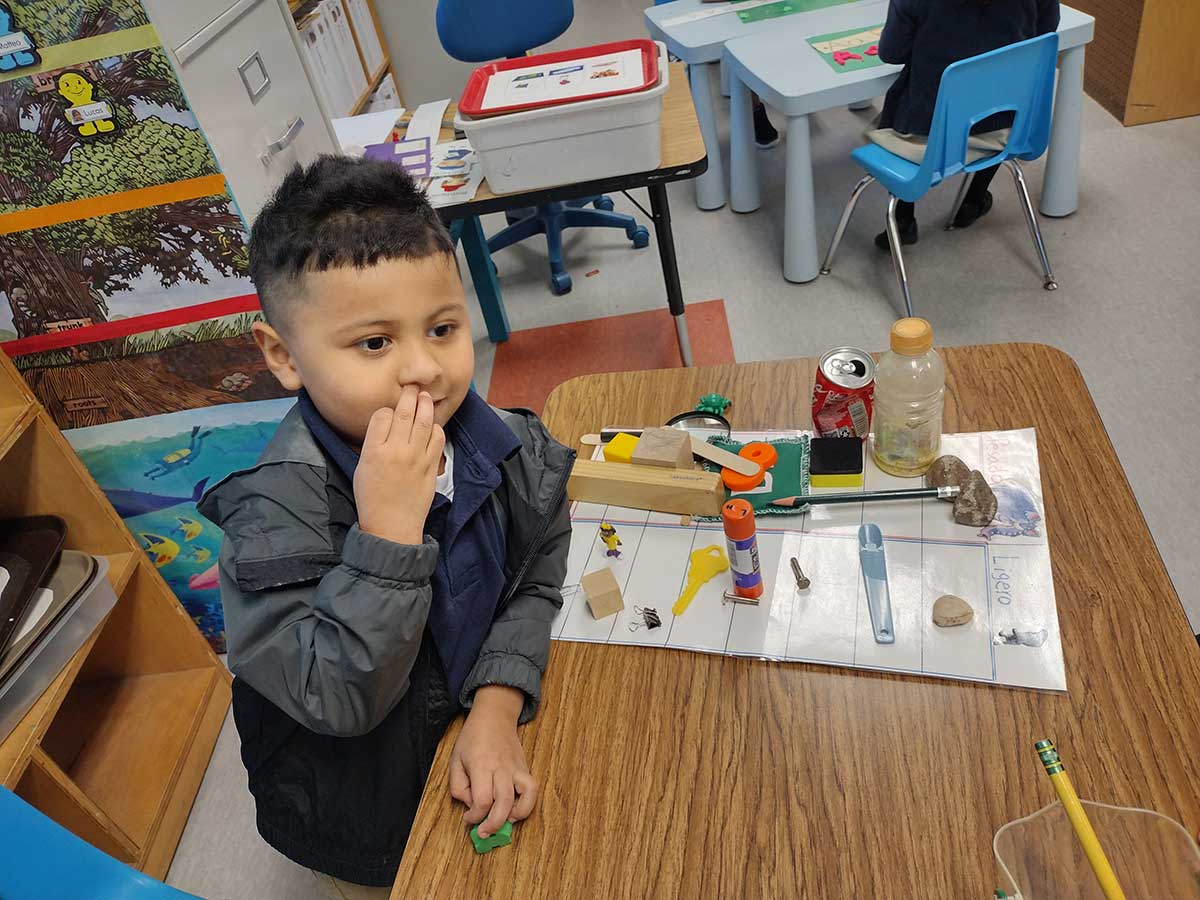
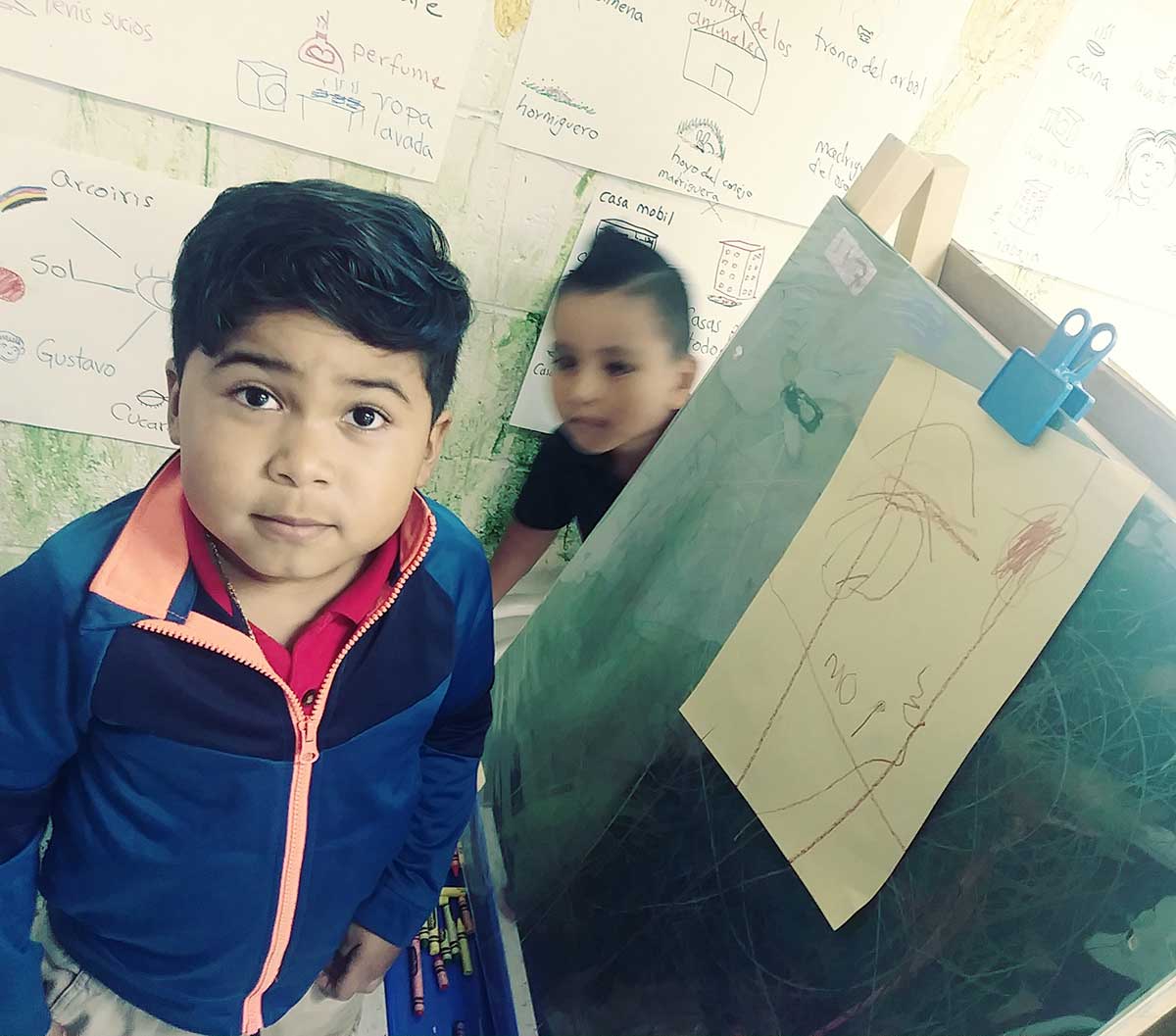
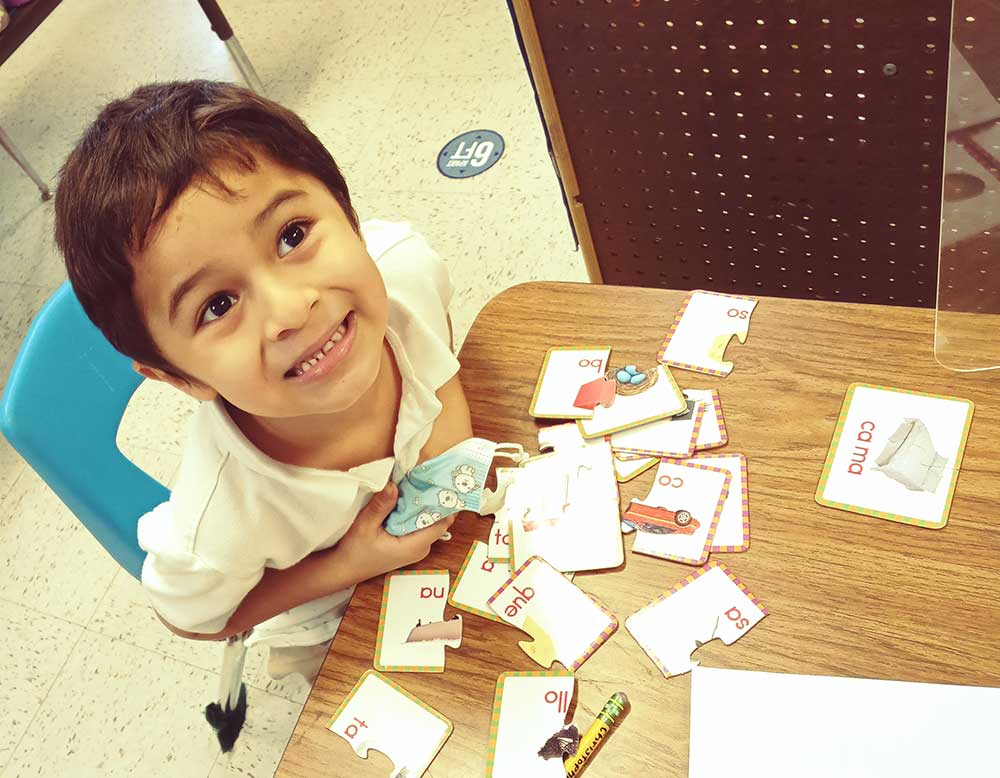
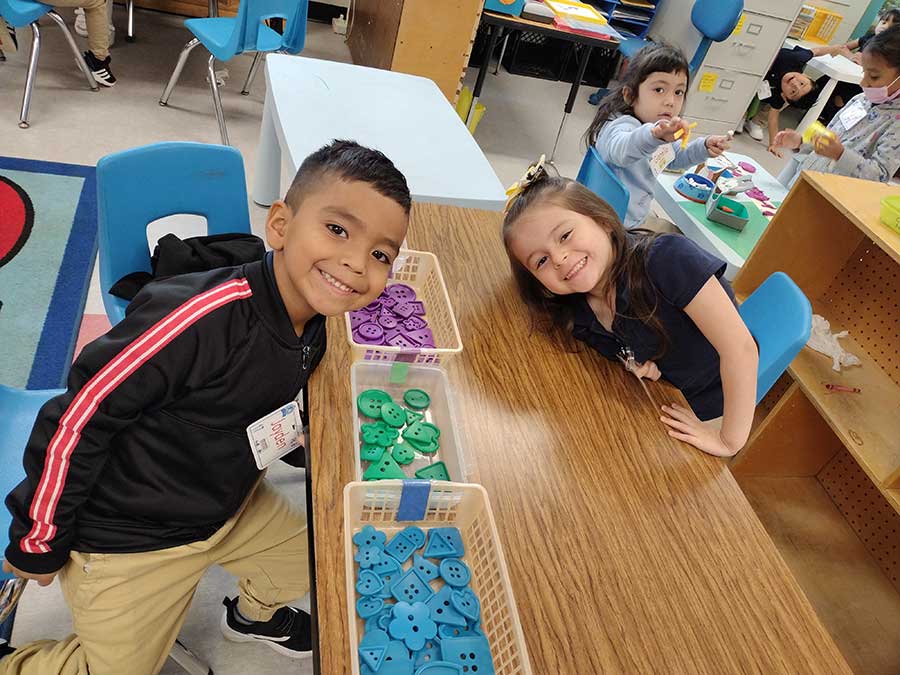
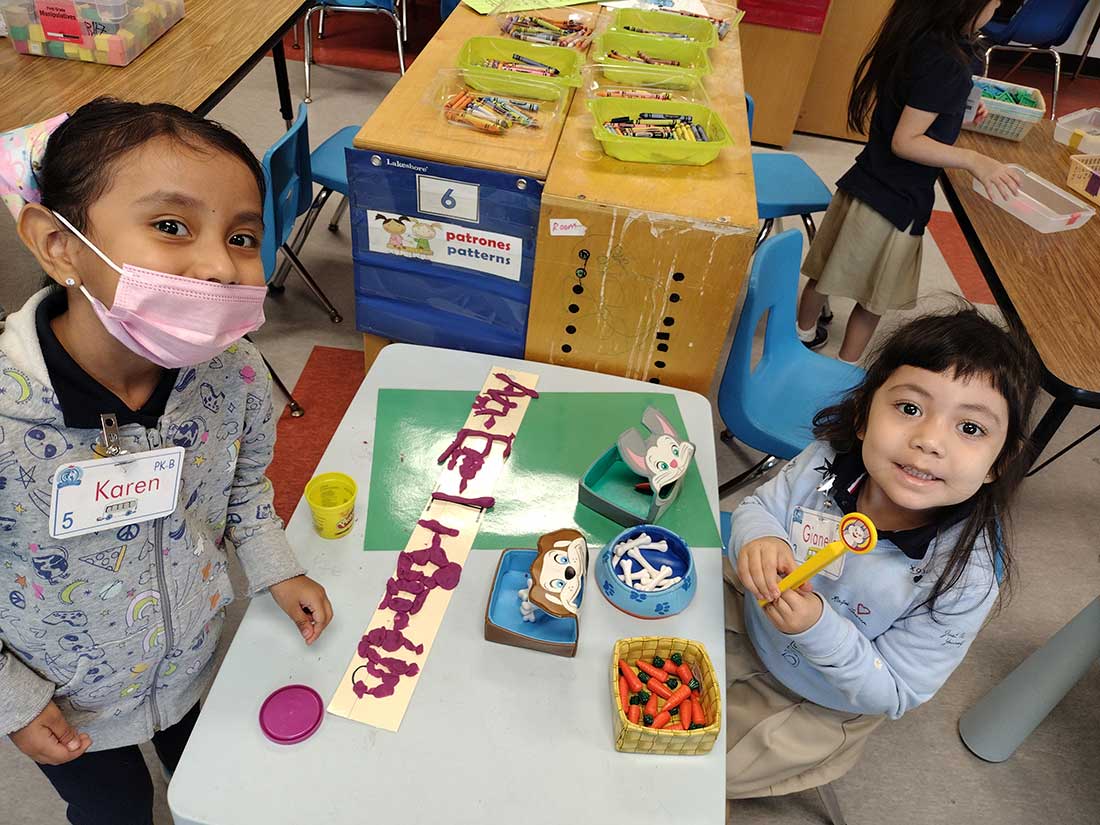
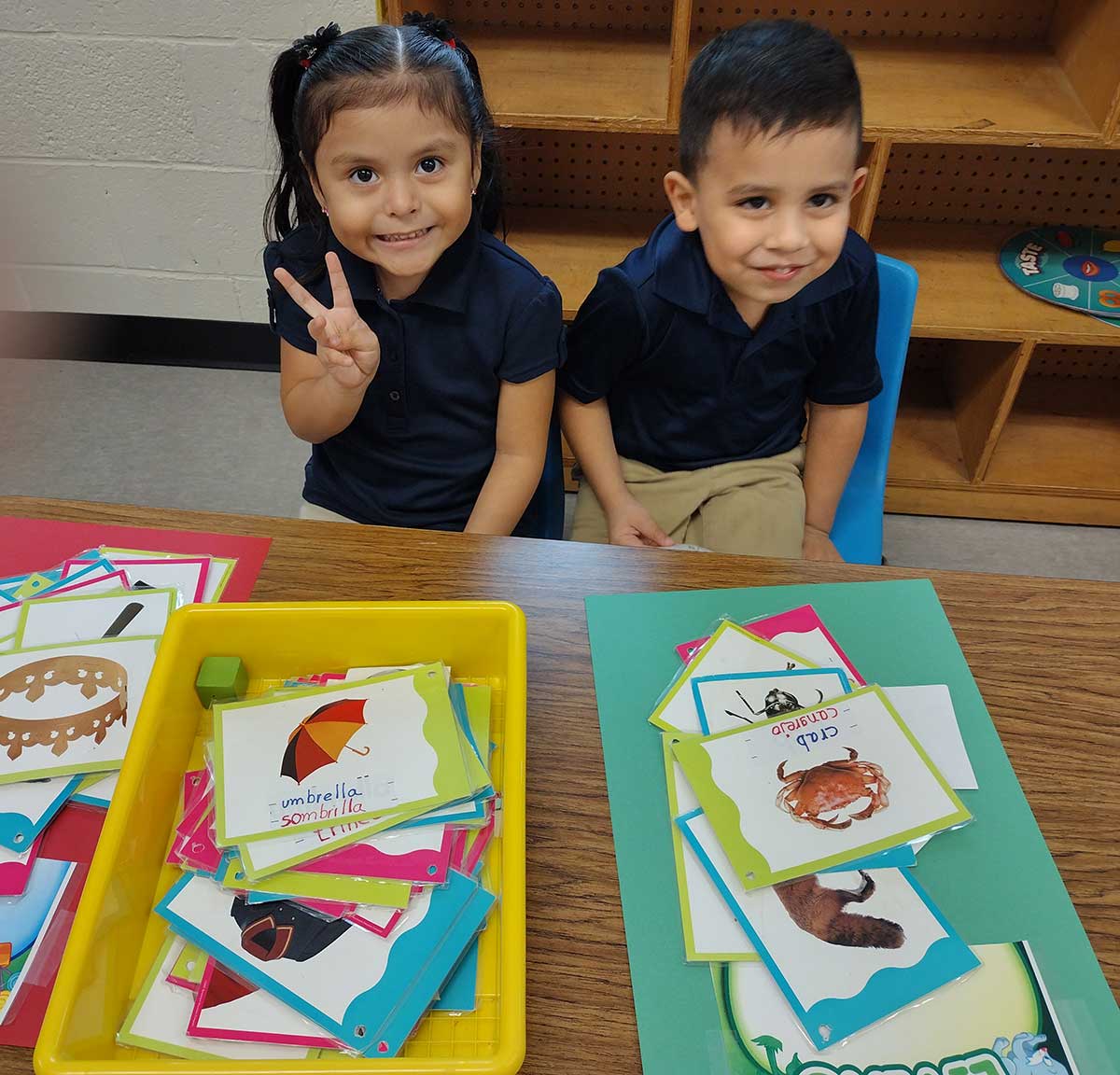
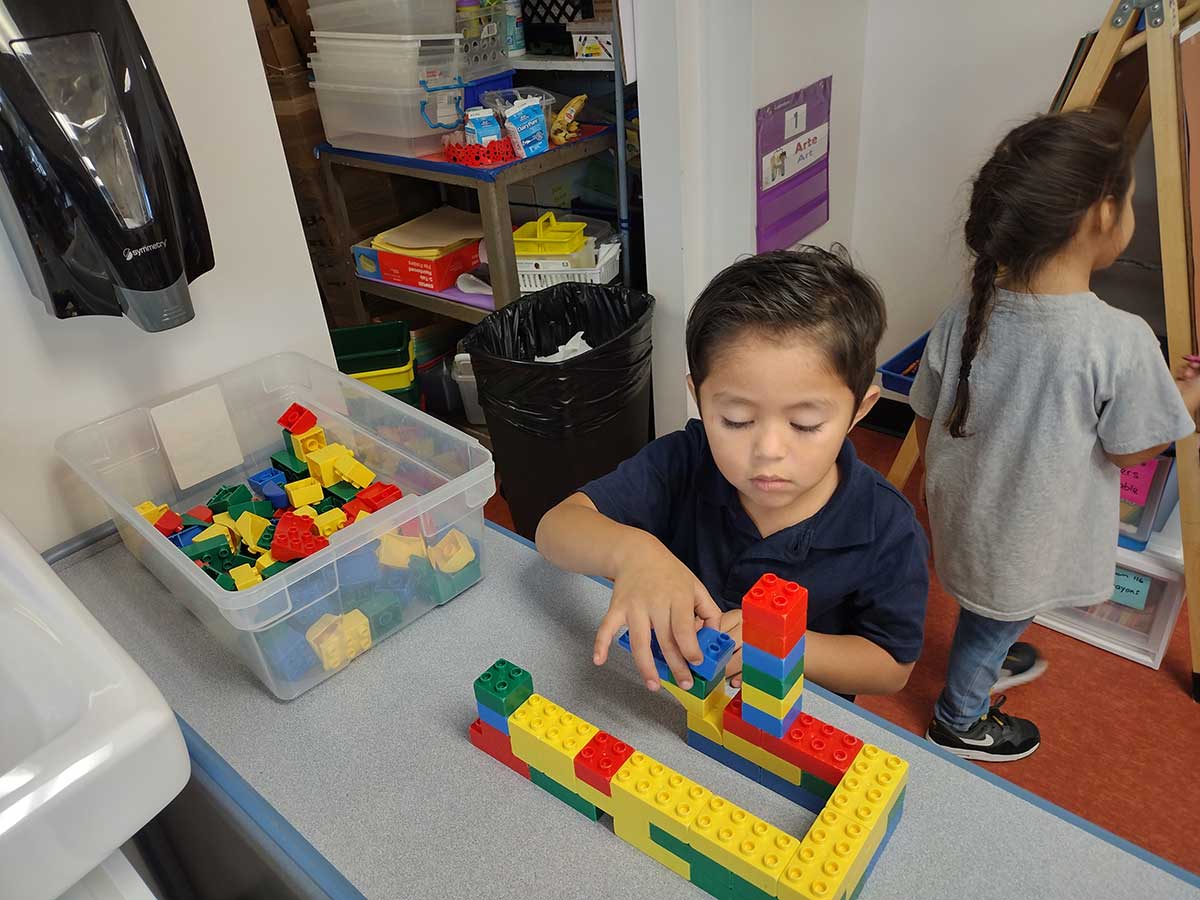
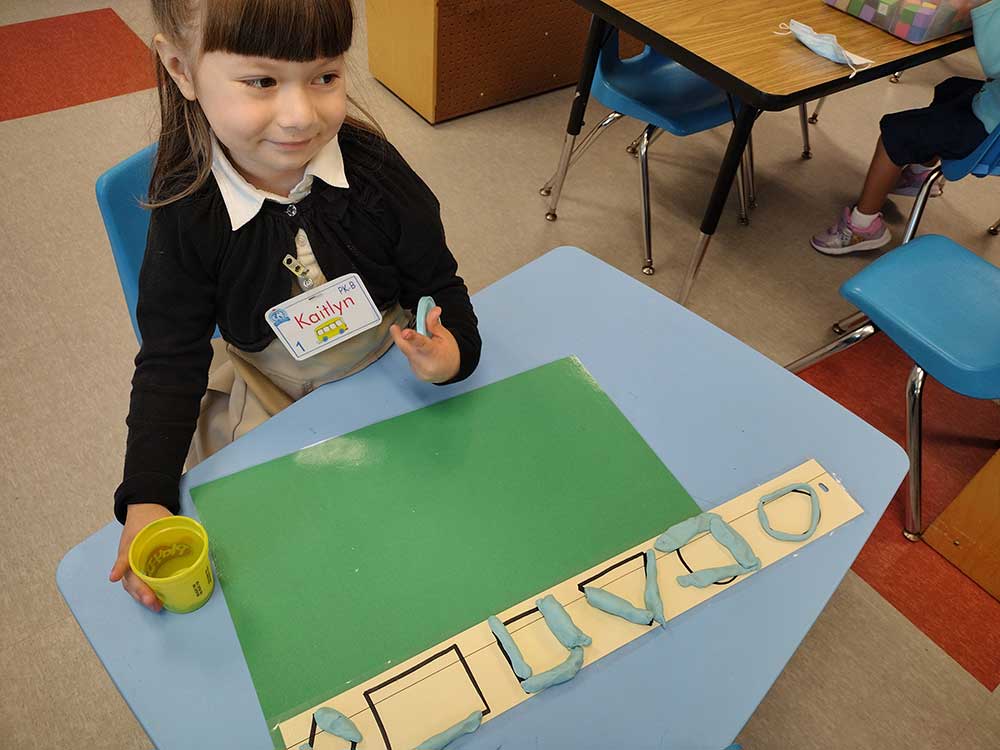
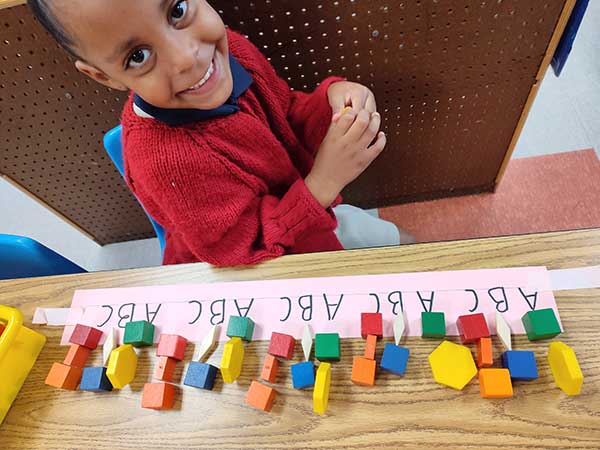
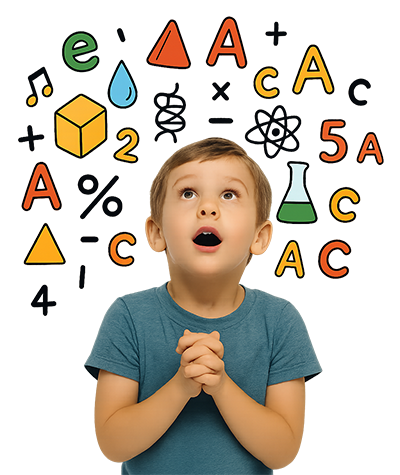
We learn by Doing Guided Play, Exploration and Routines Create confident, Curious Learners

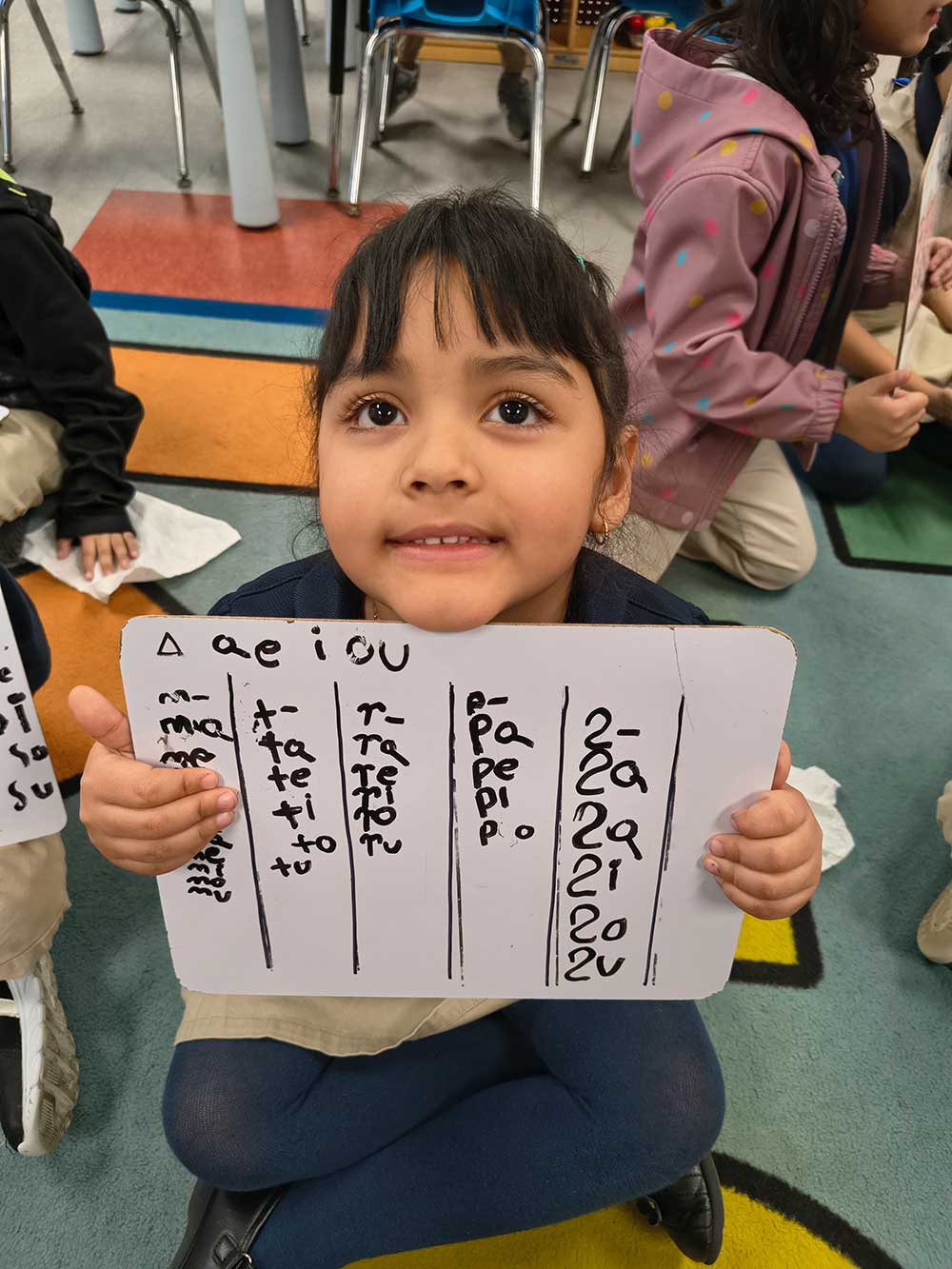
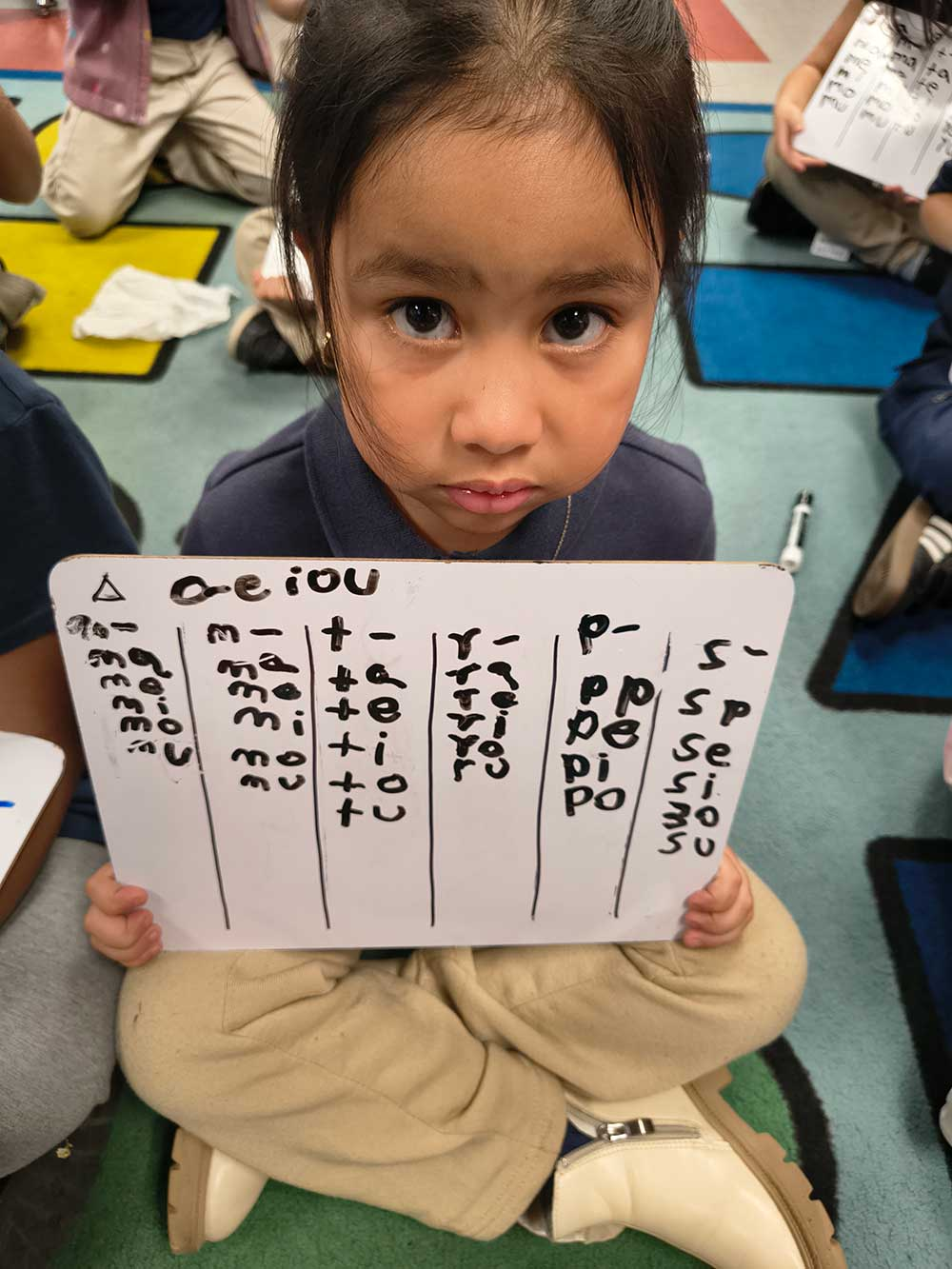
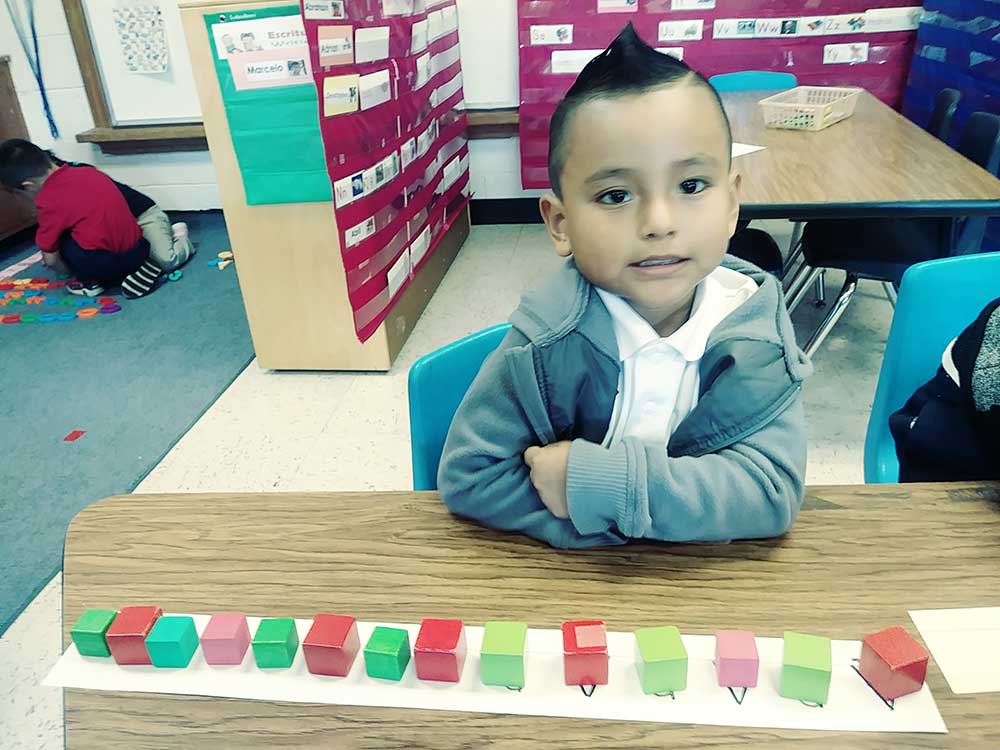
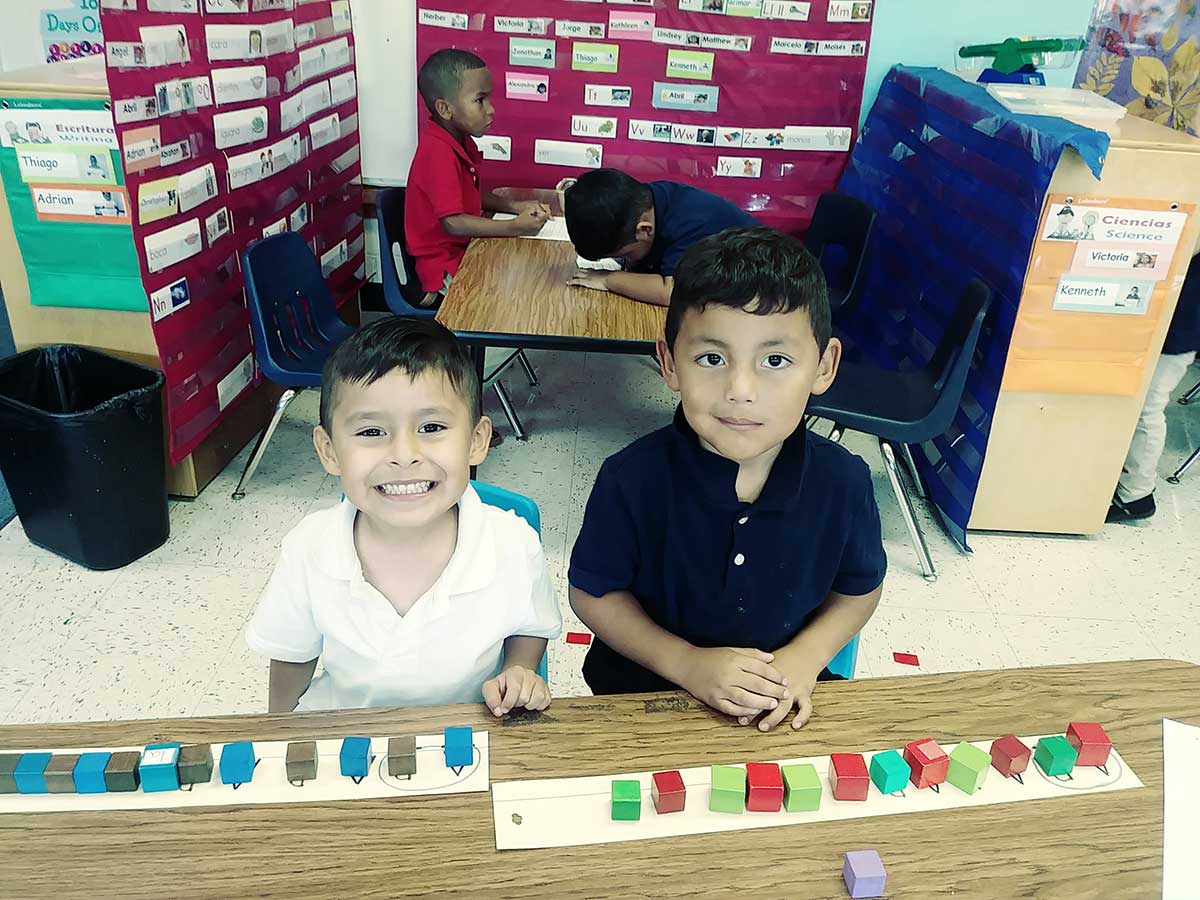
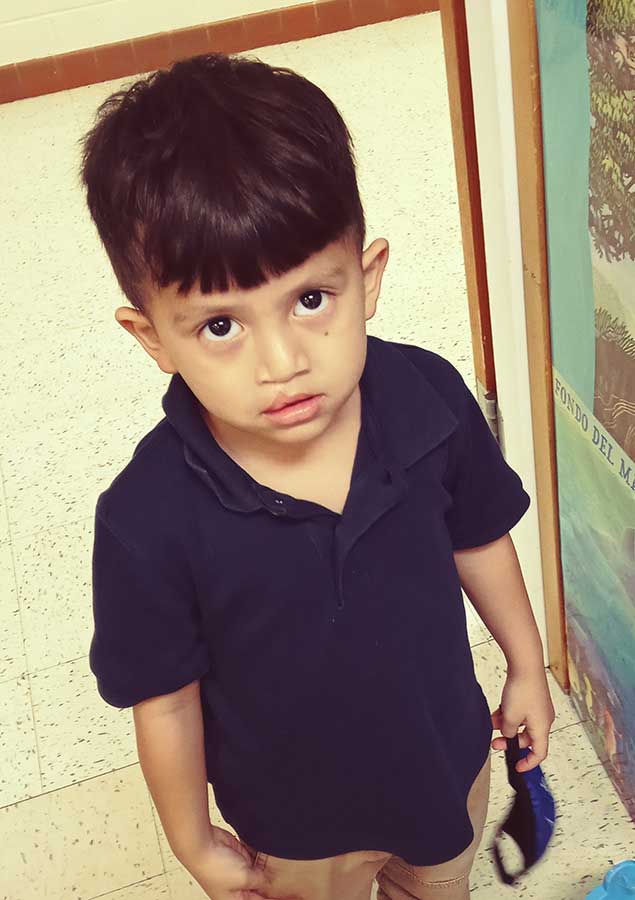
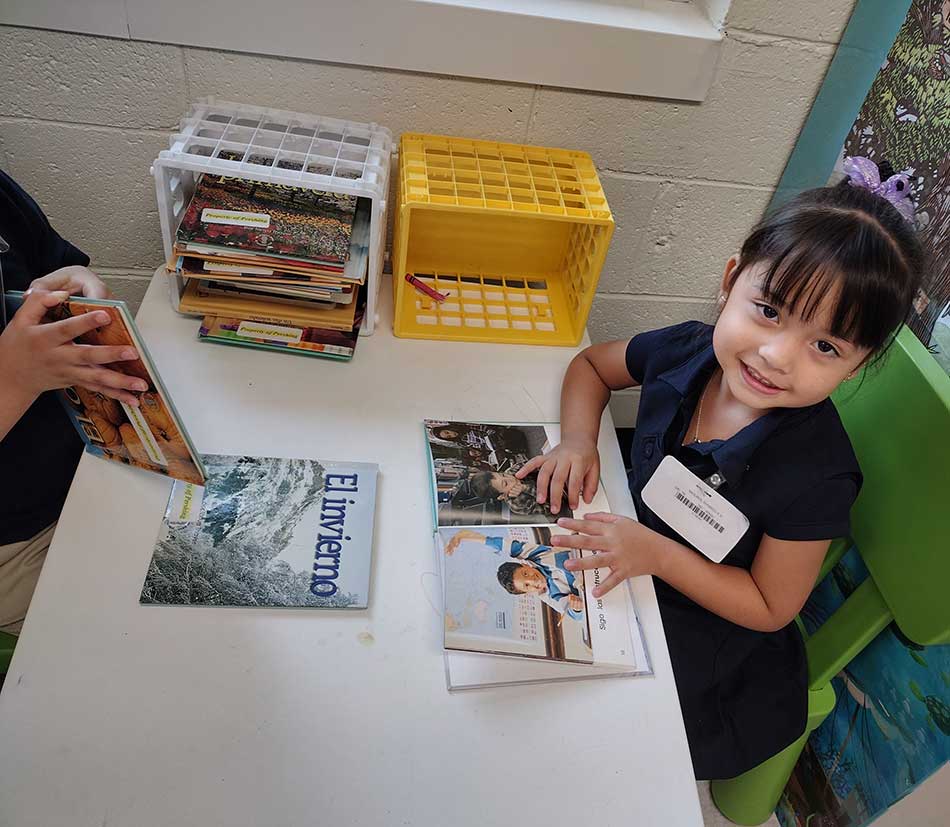
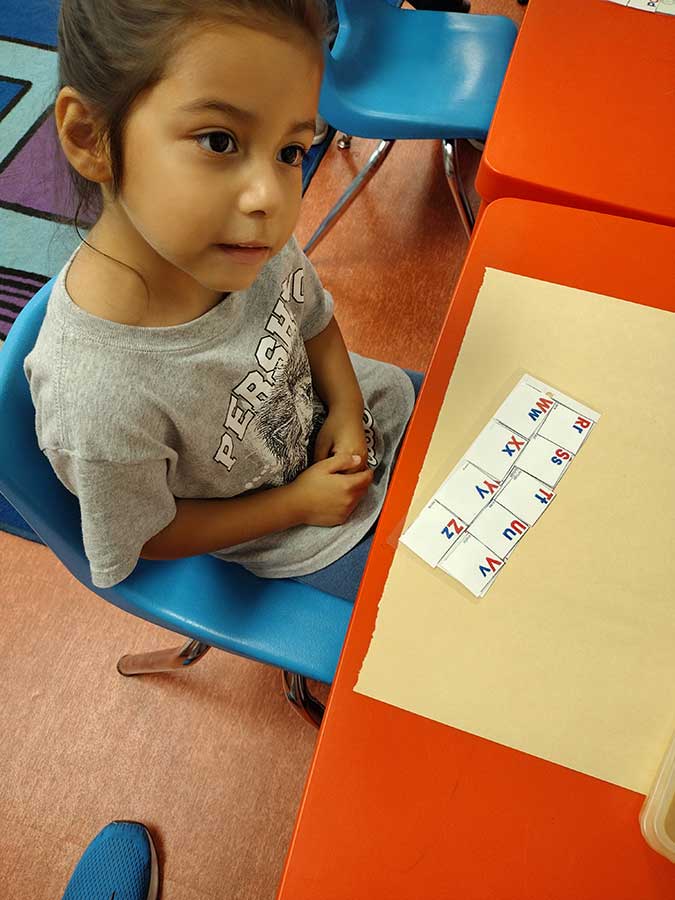
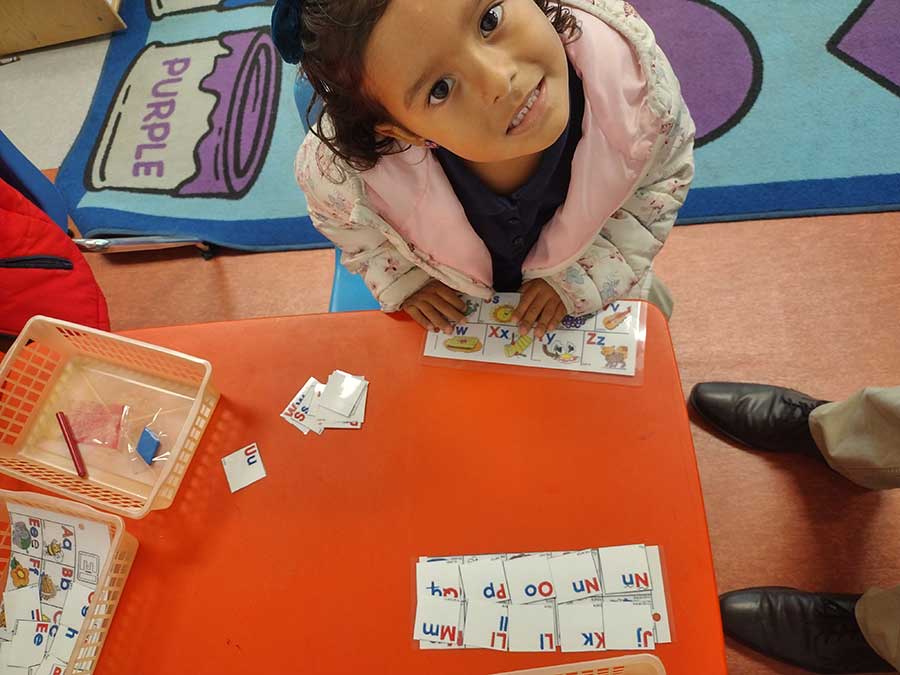
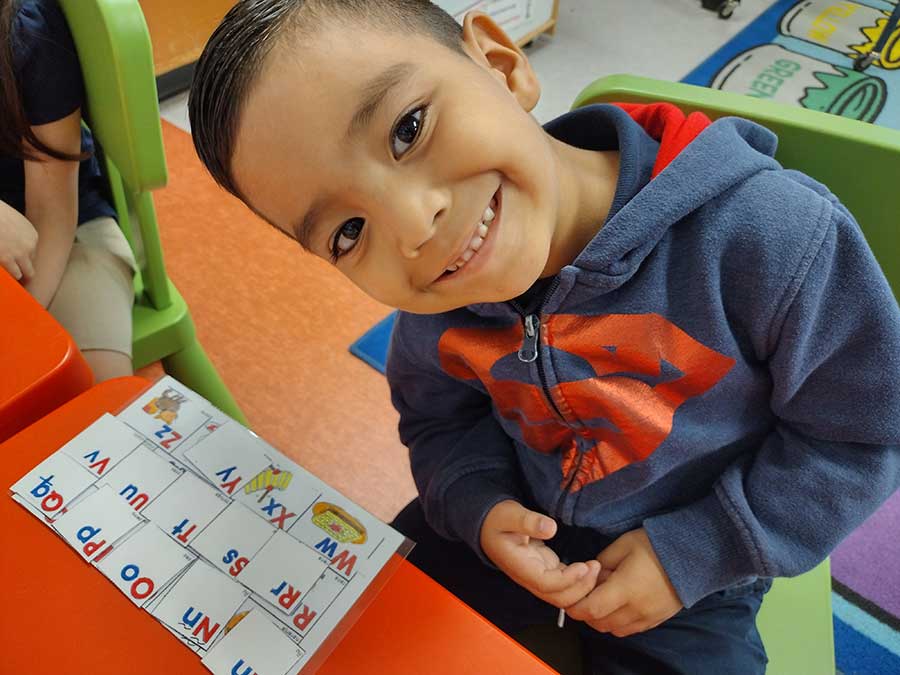
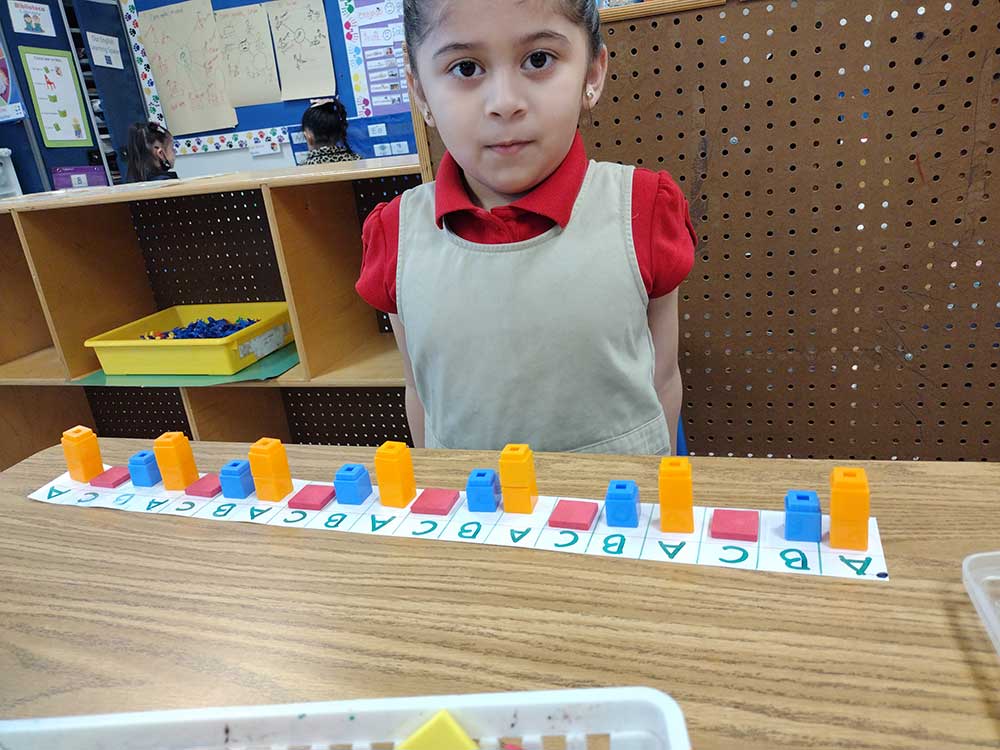
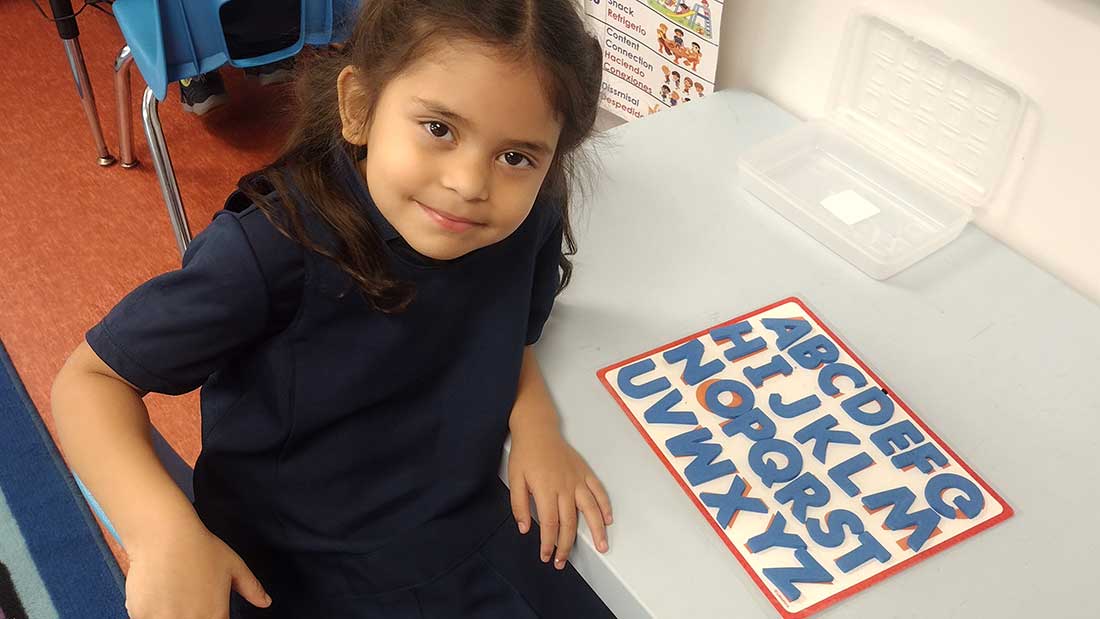
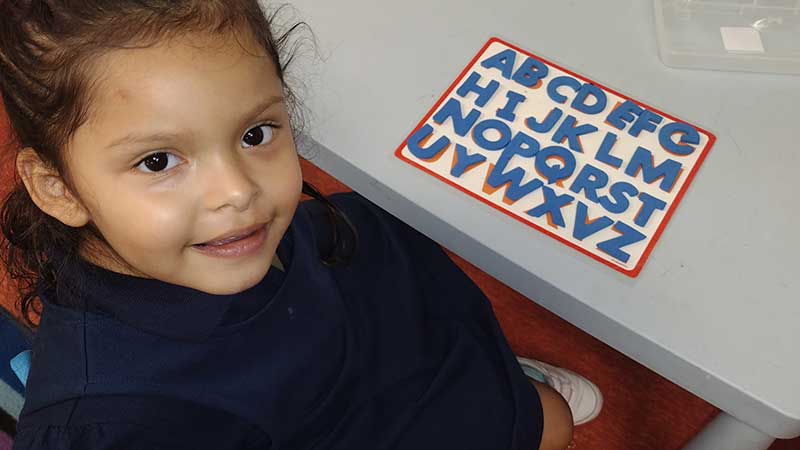
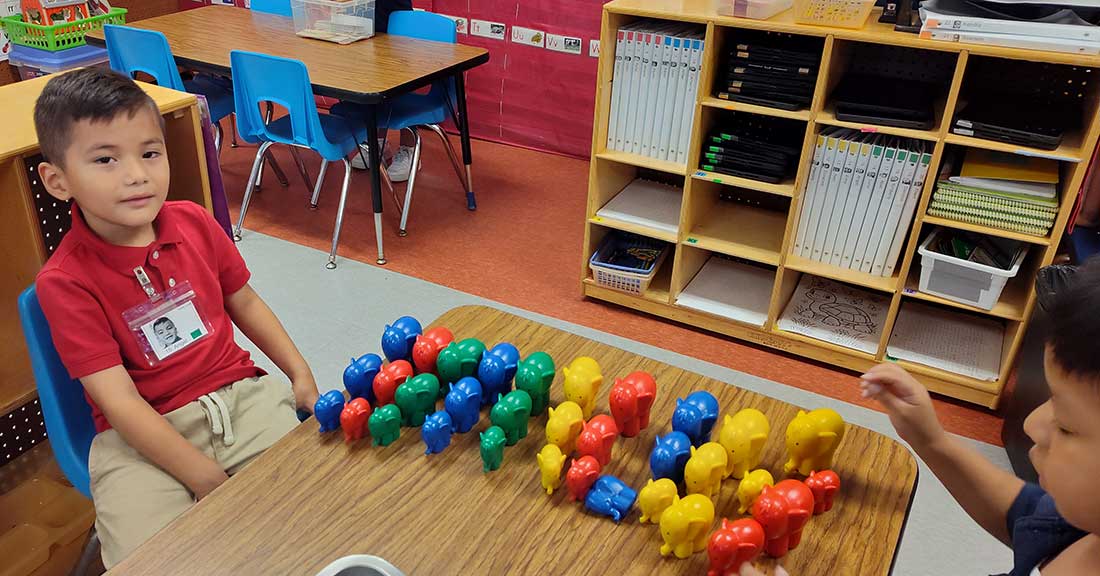
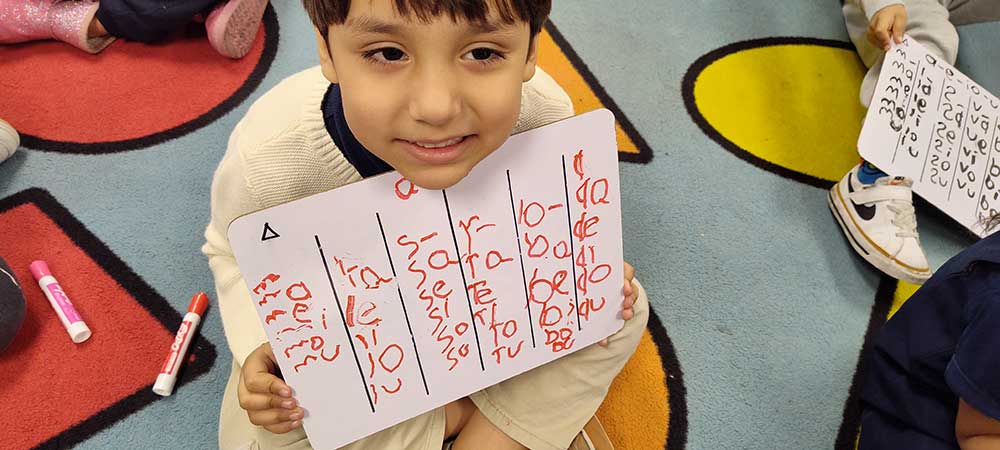
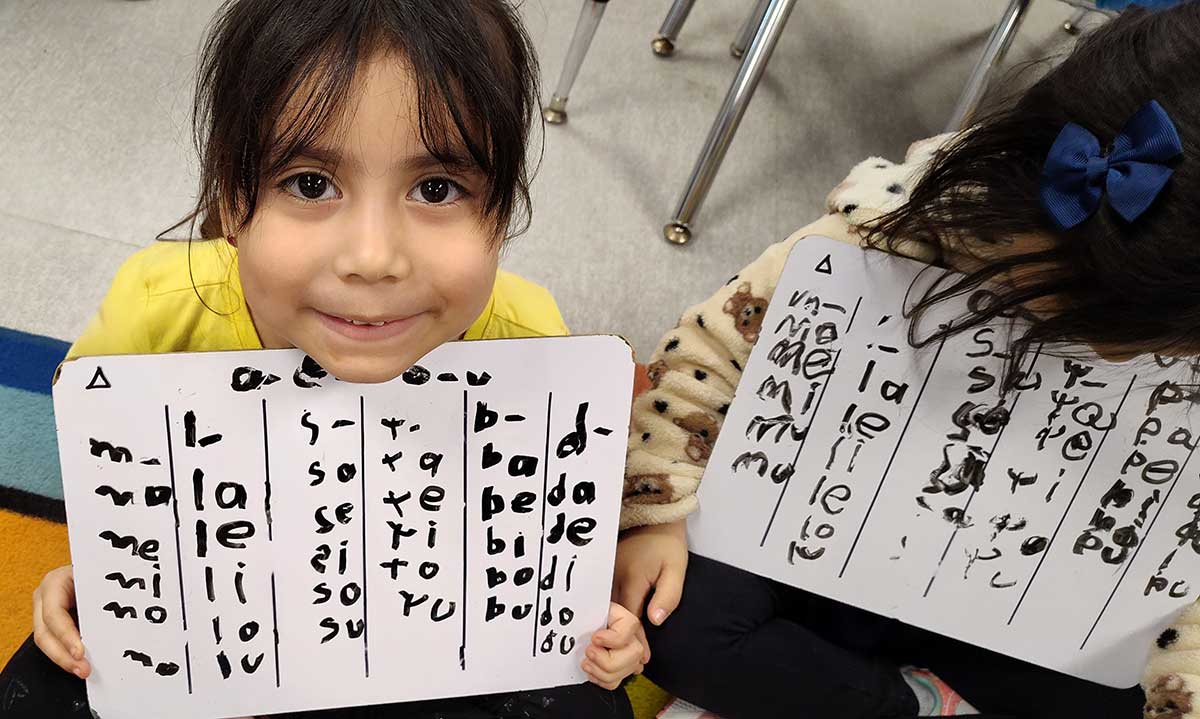
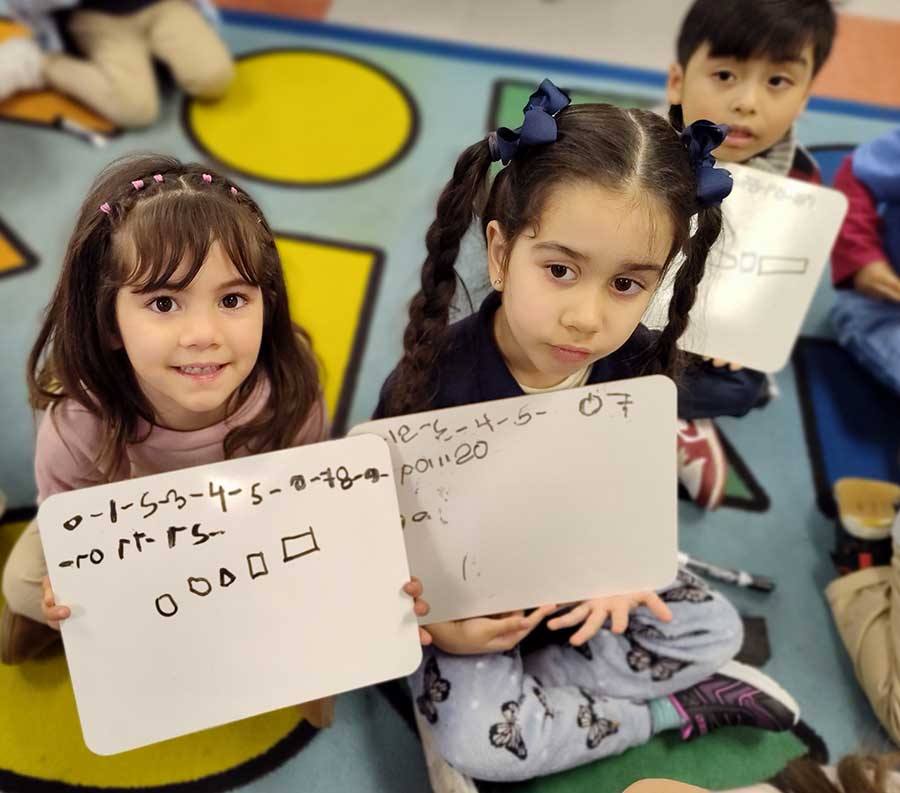
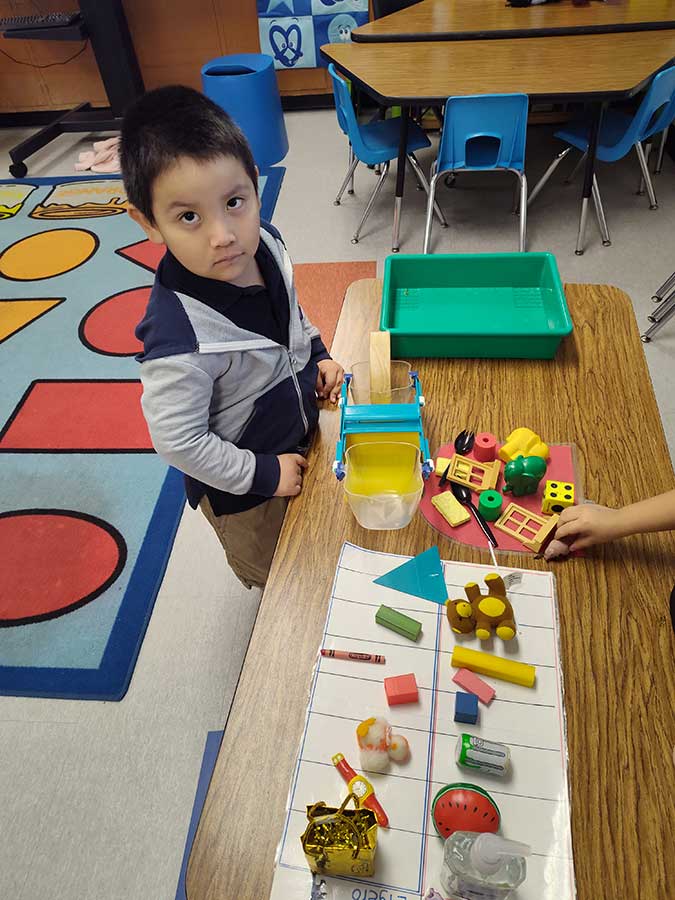
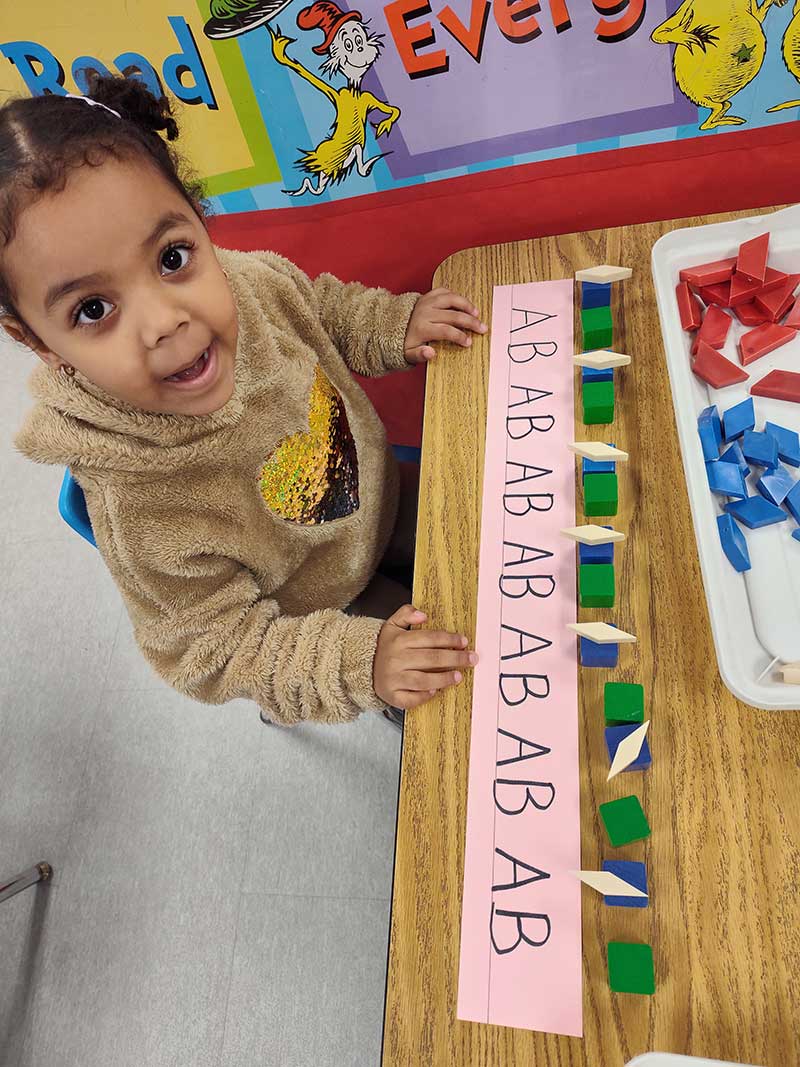
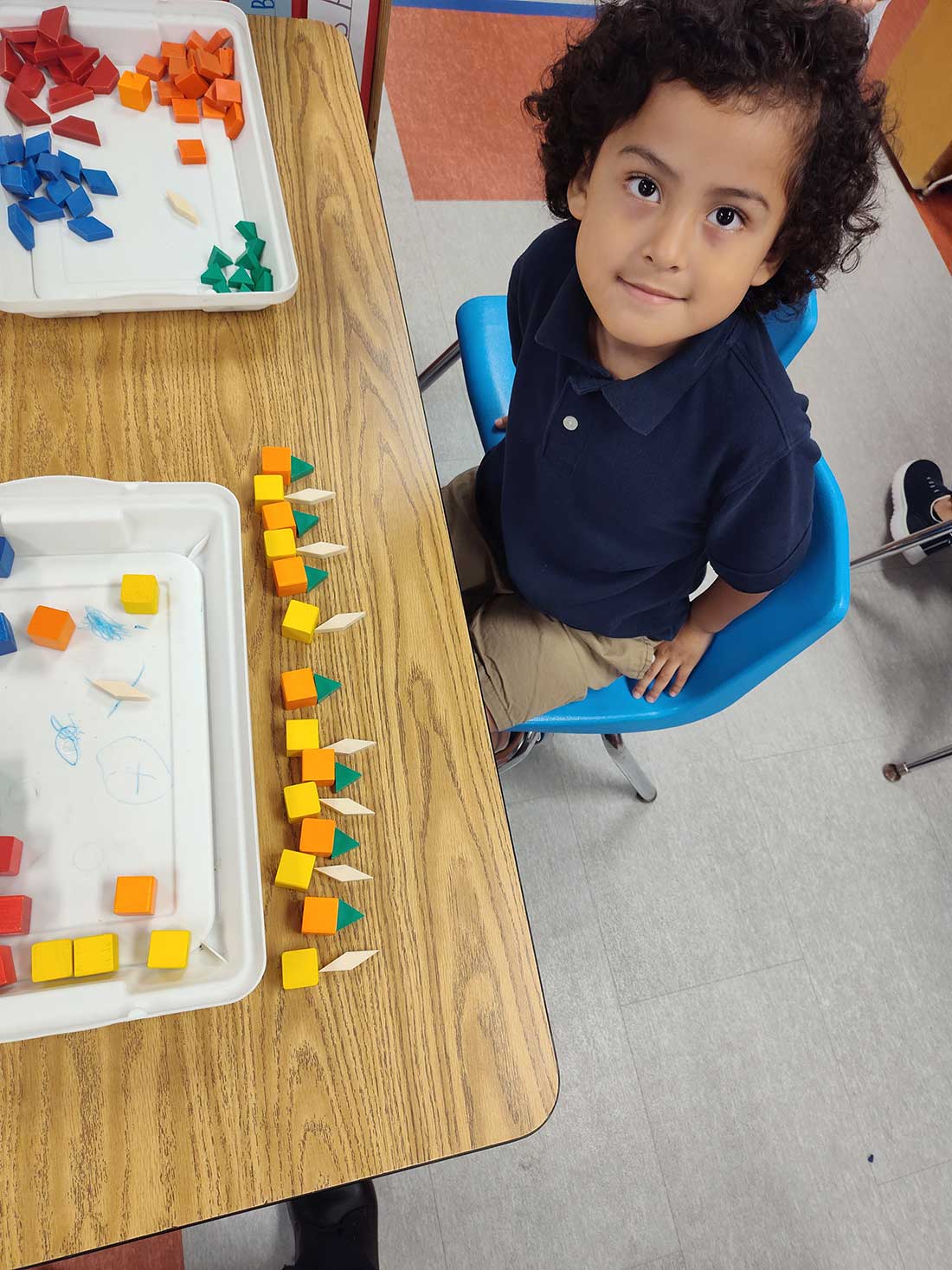
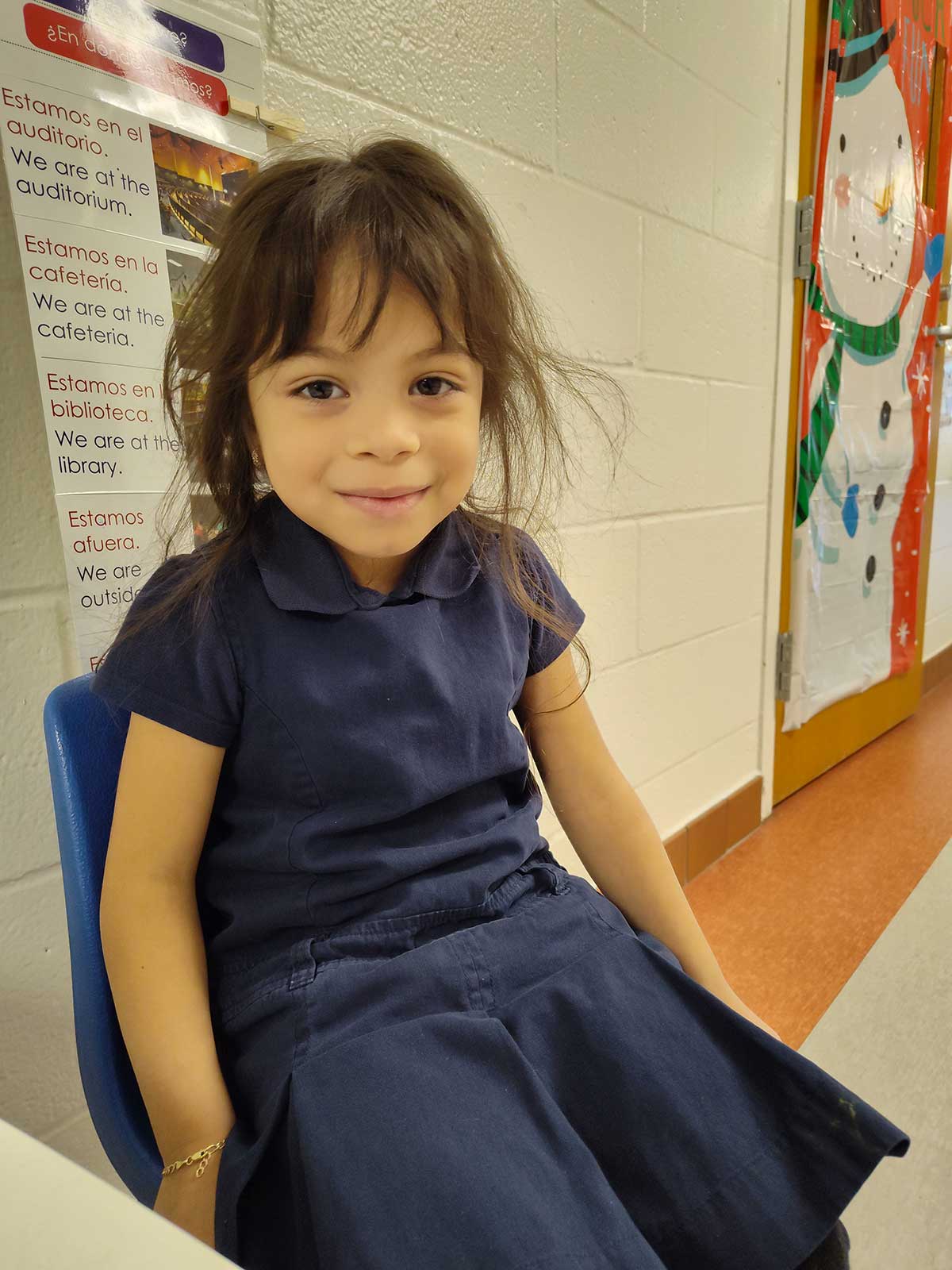
Our Pre-K program prepares children for kindergarten through hands-on learning, social-emotional skill building, and early literacy and numeracy in a warm, nurturing environment.
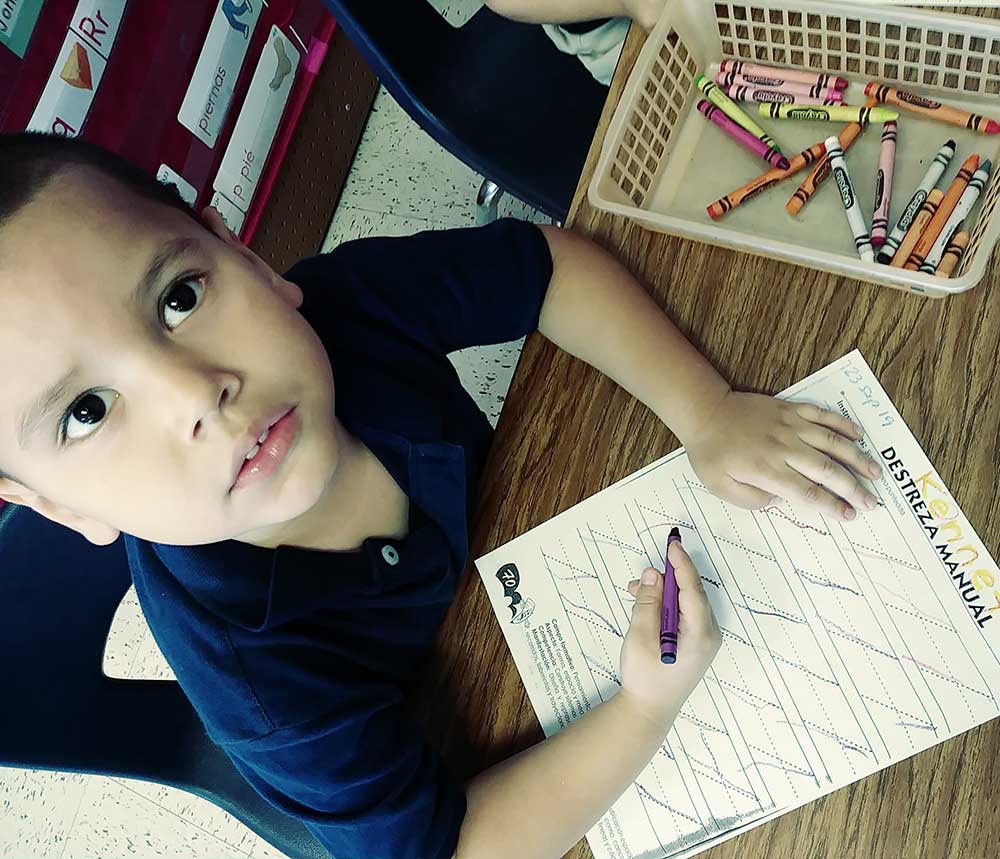
Language Arts

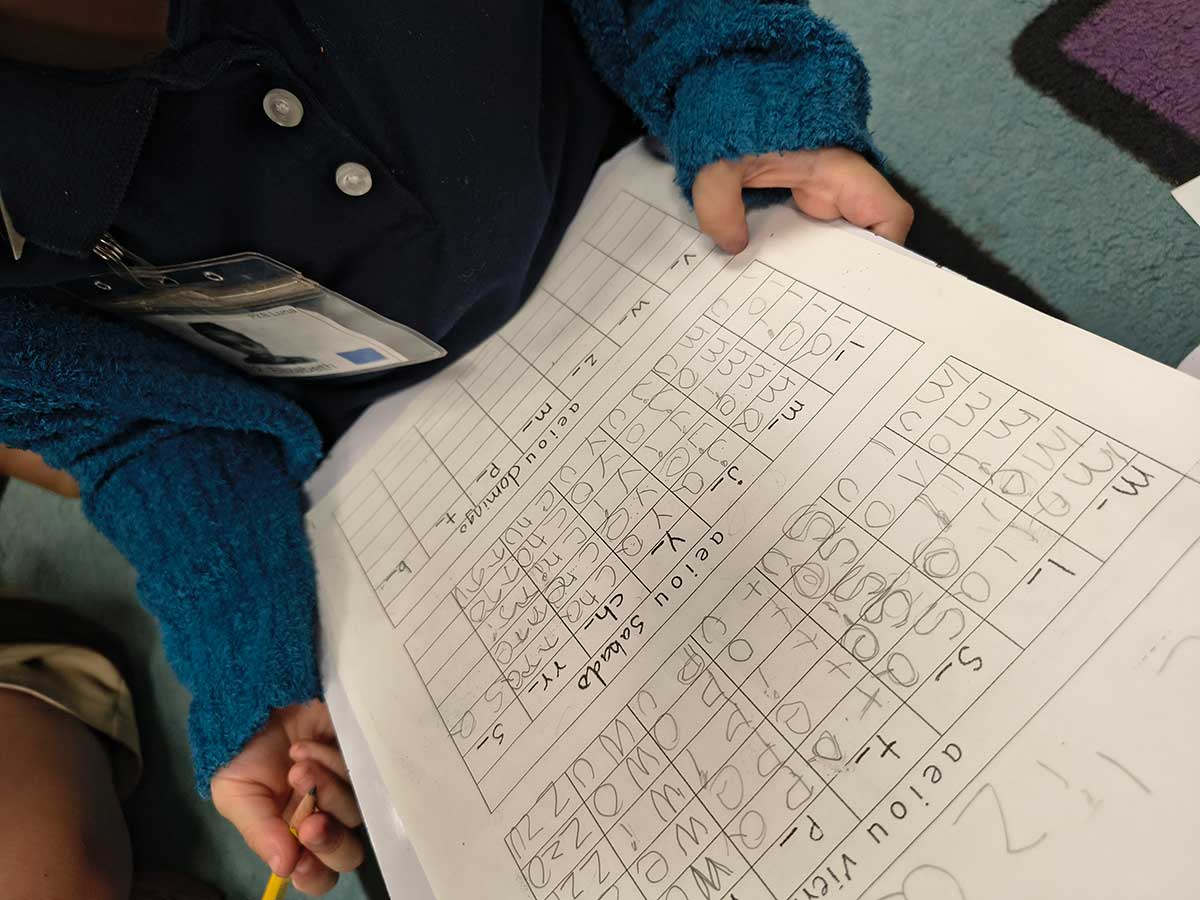
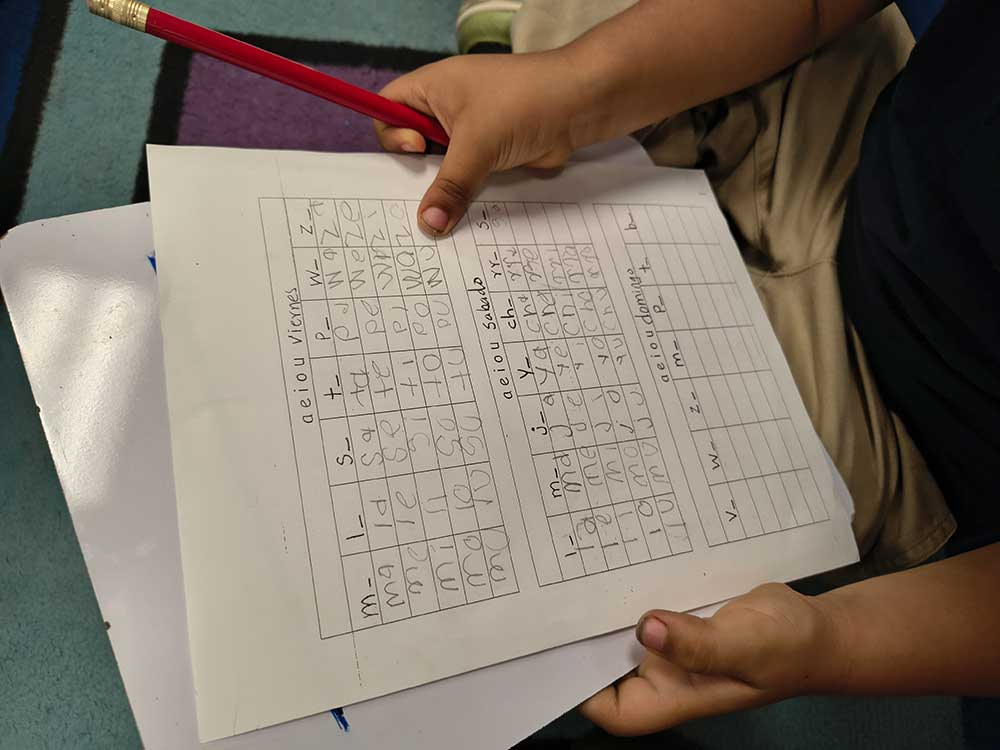
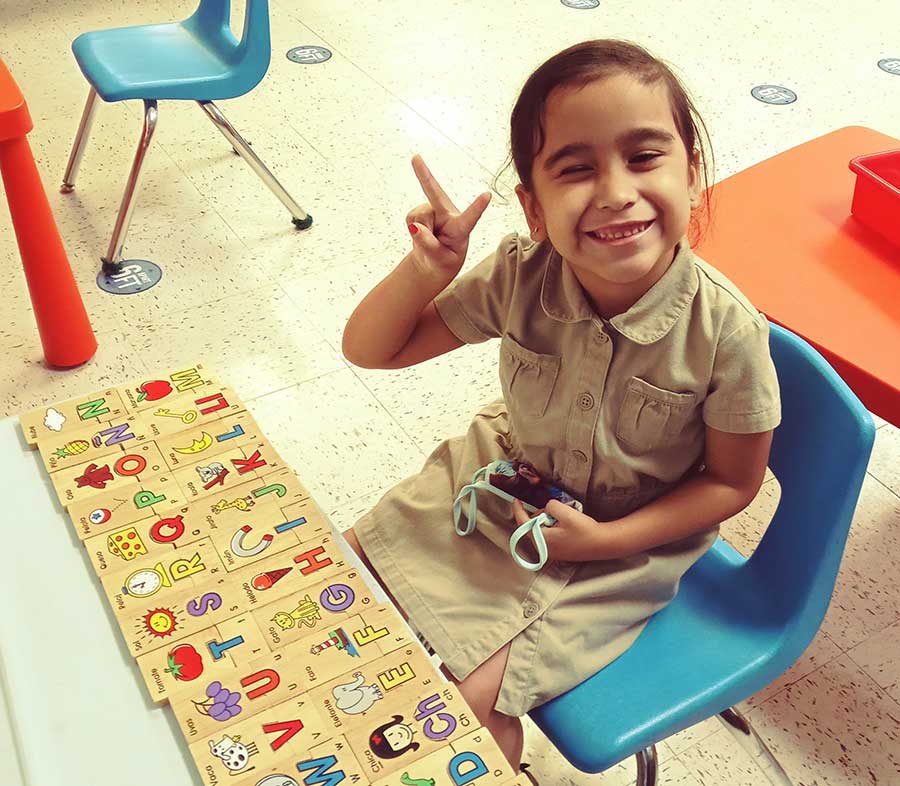
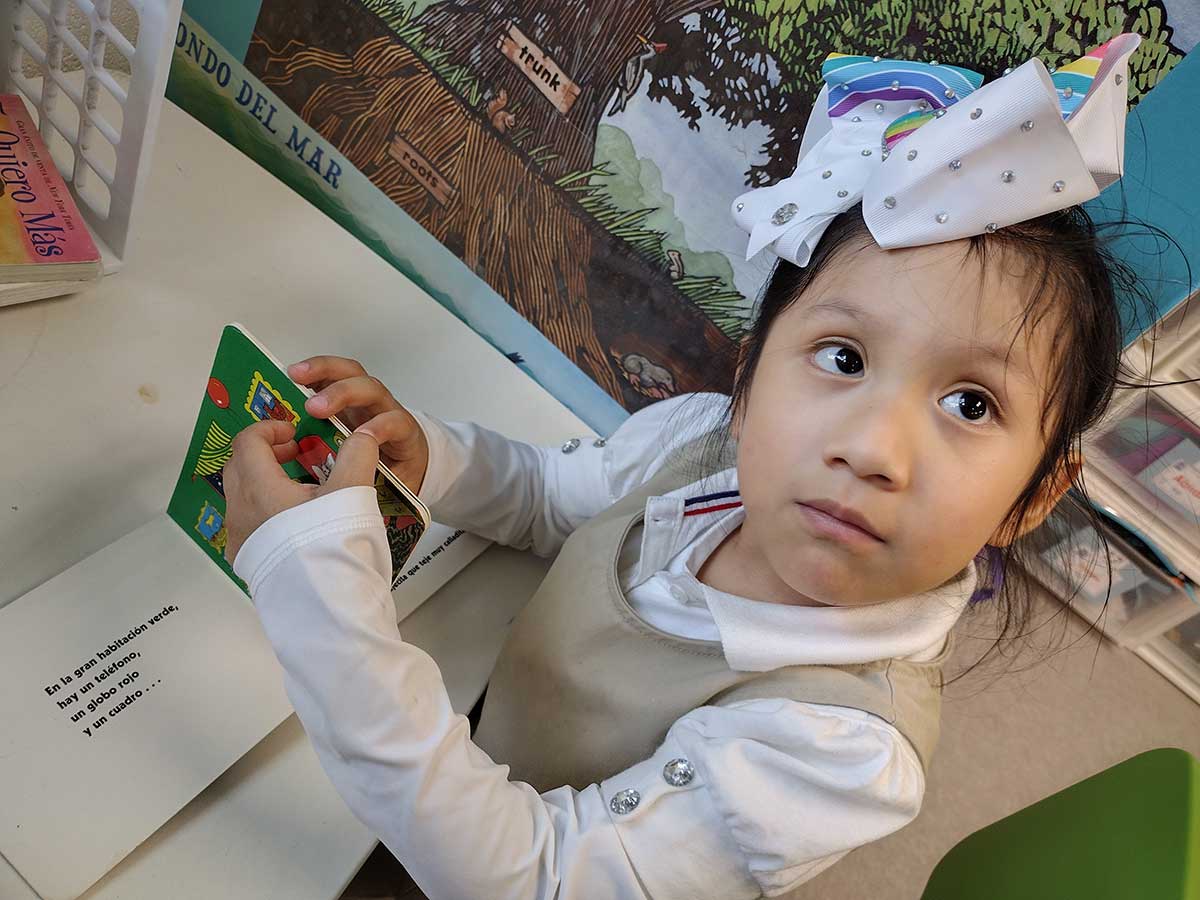
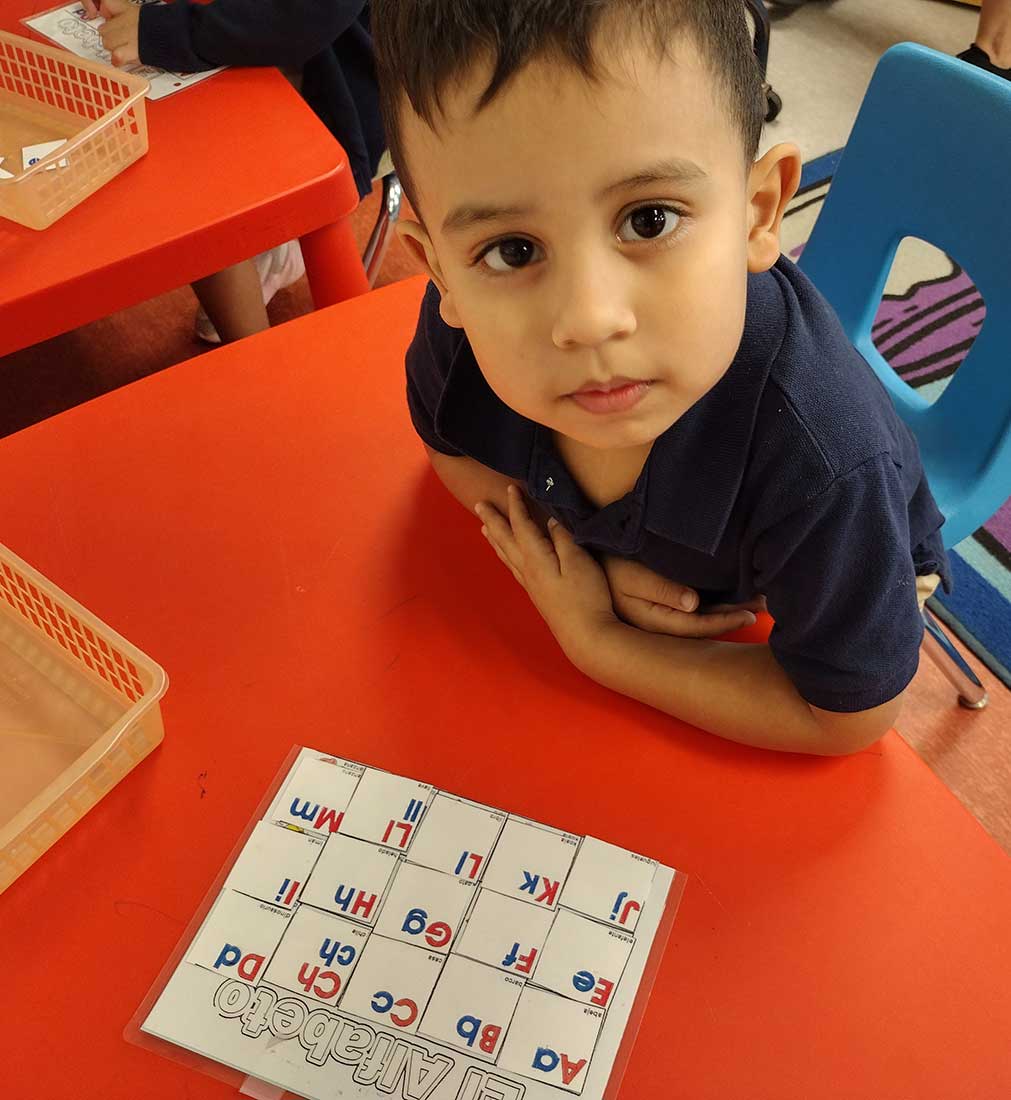
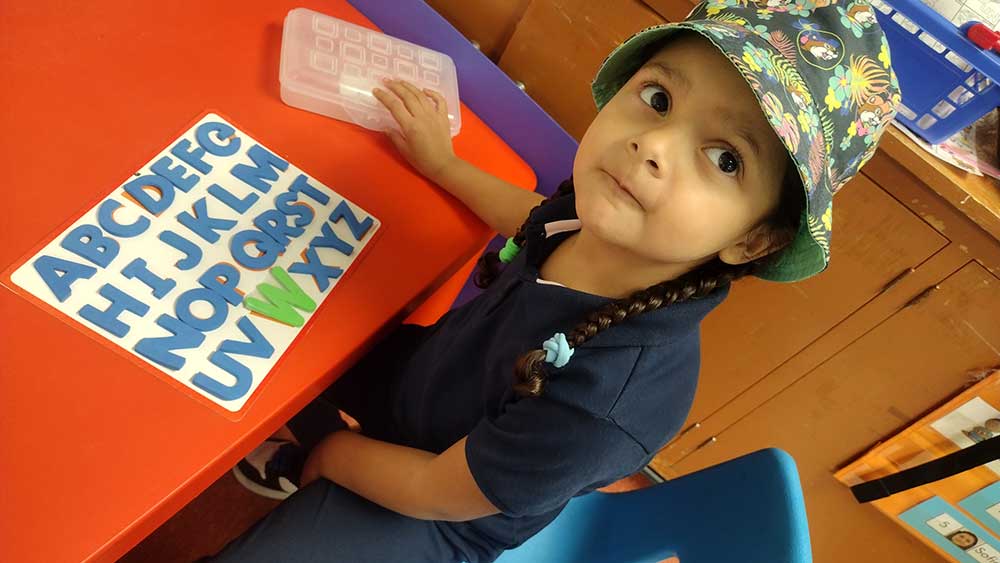
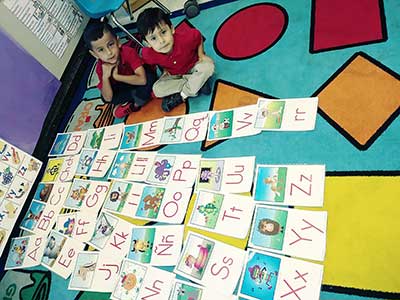
The journey starts here: we teach the fundamentals of reading, writing, and how to understand stories.
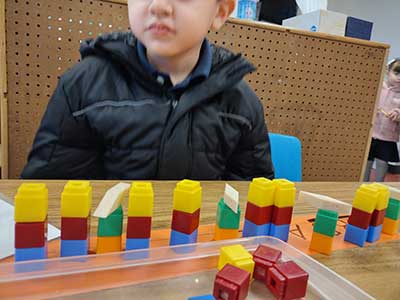
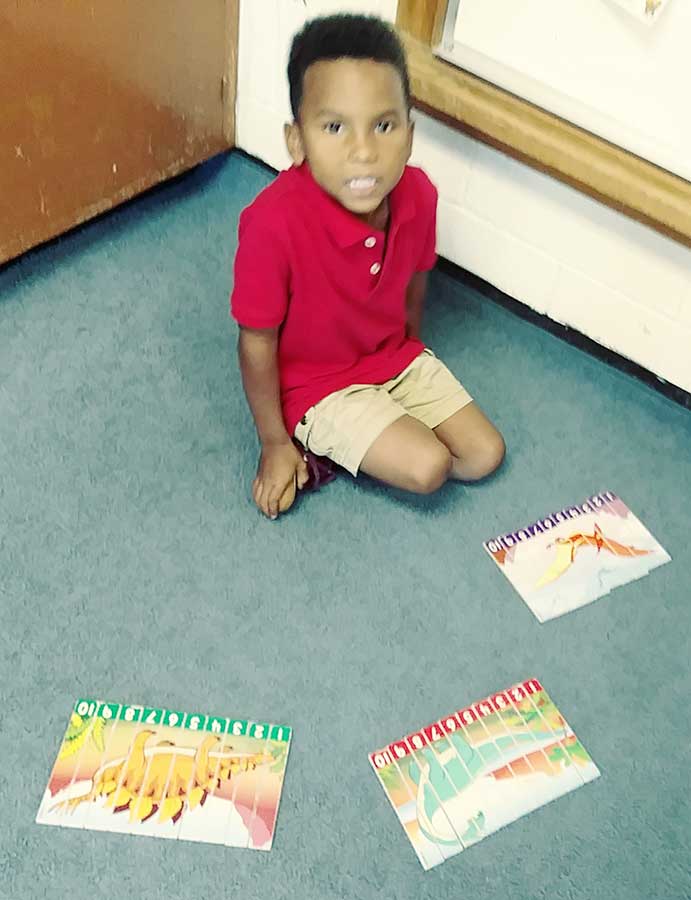
mathematics

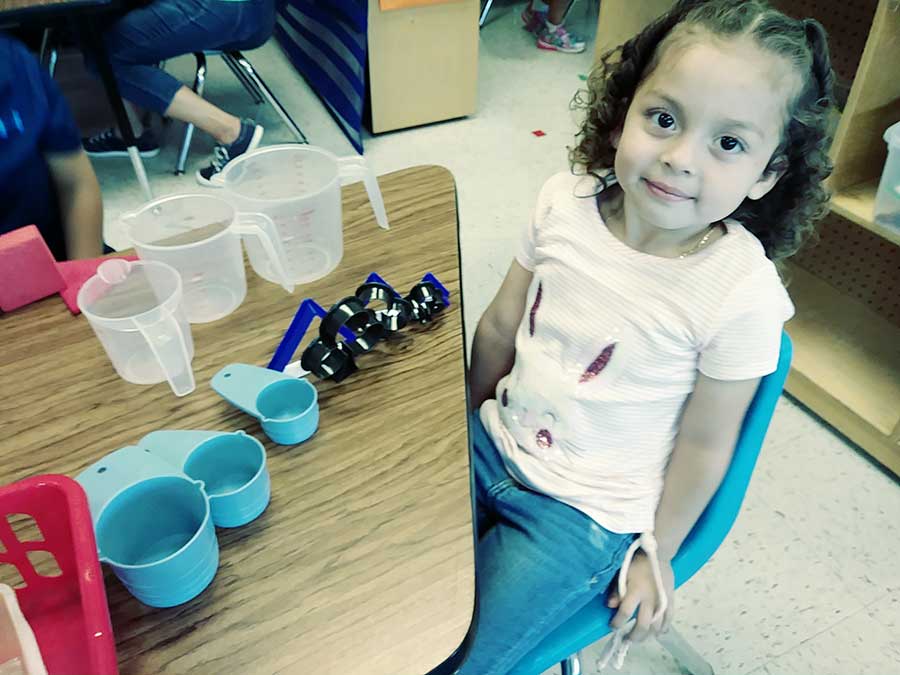
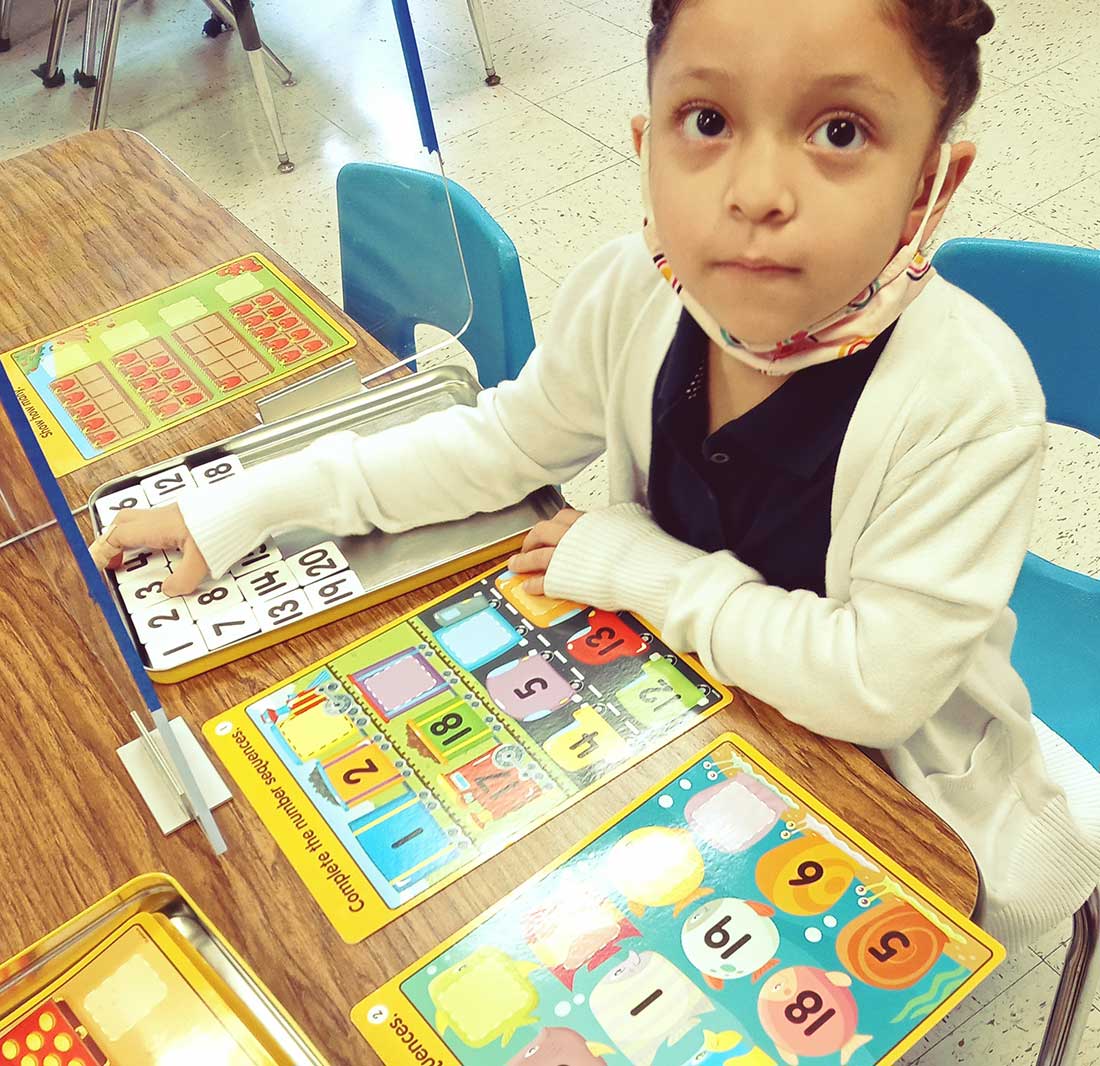
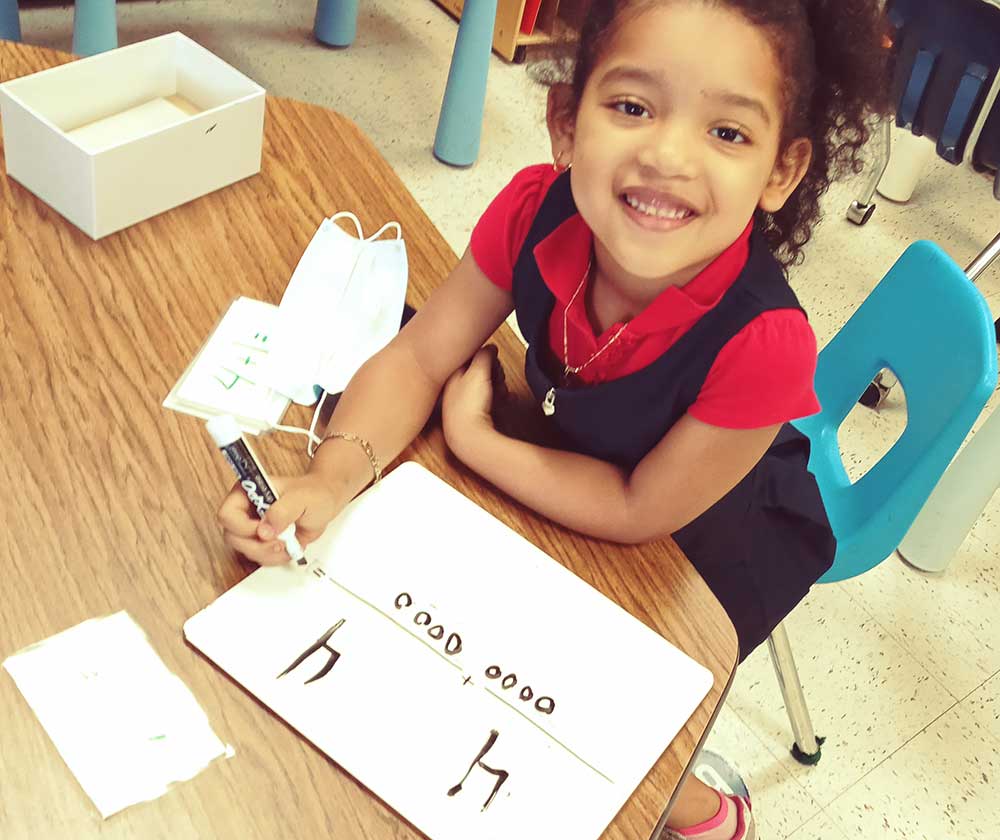
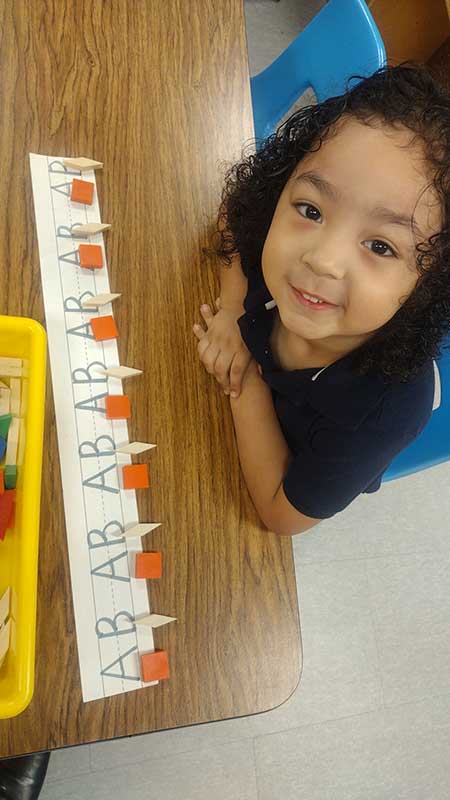
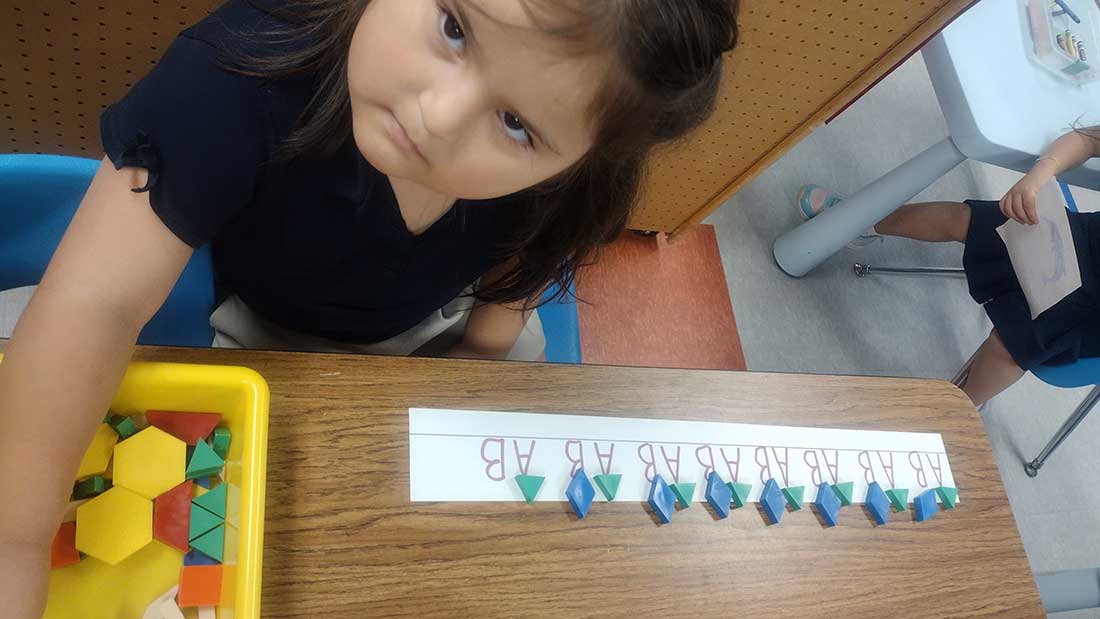
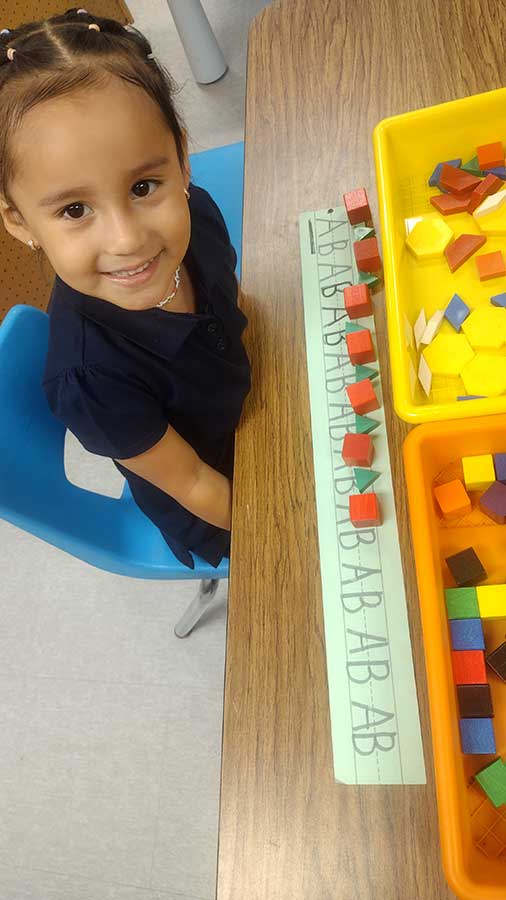
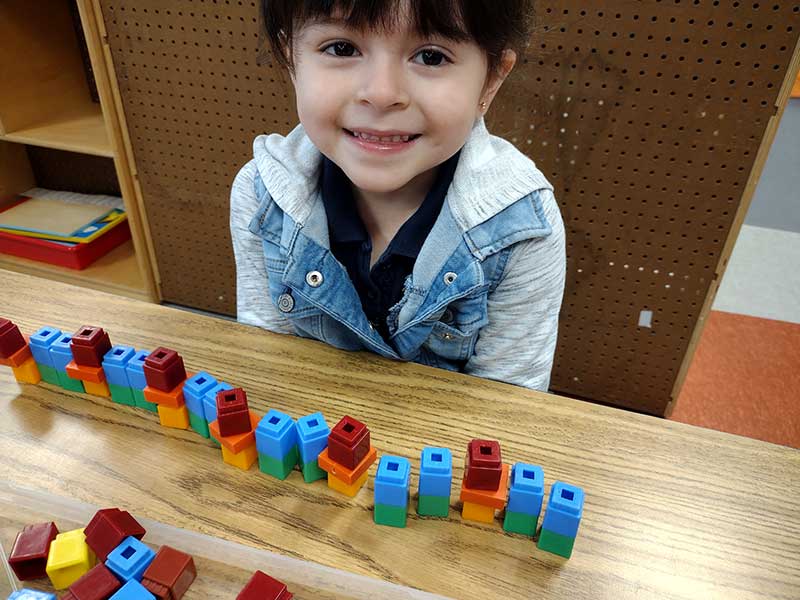
We teach math thinking through games and hands-on experiences that make learning fun.
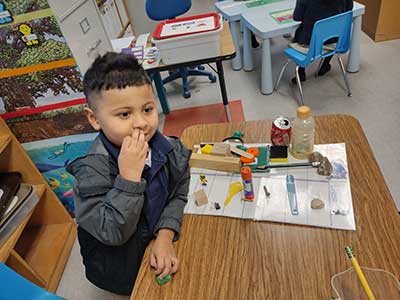
science

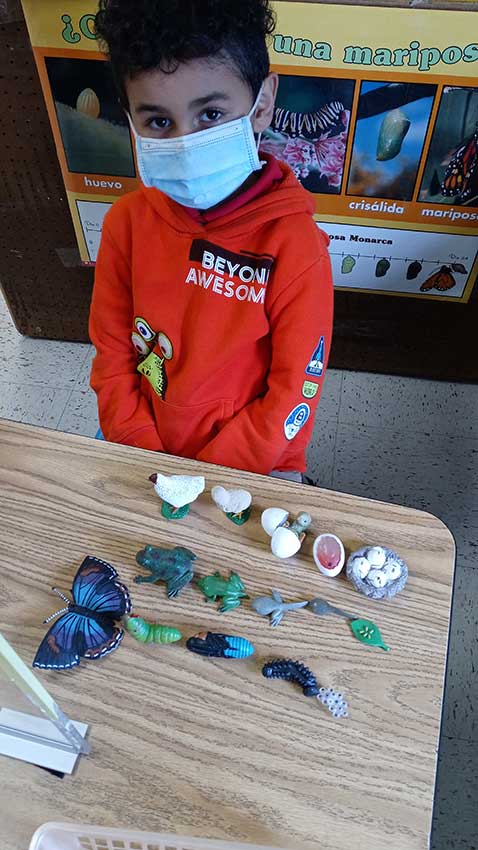
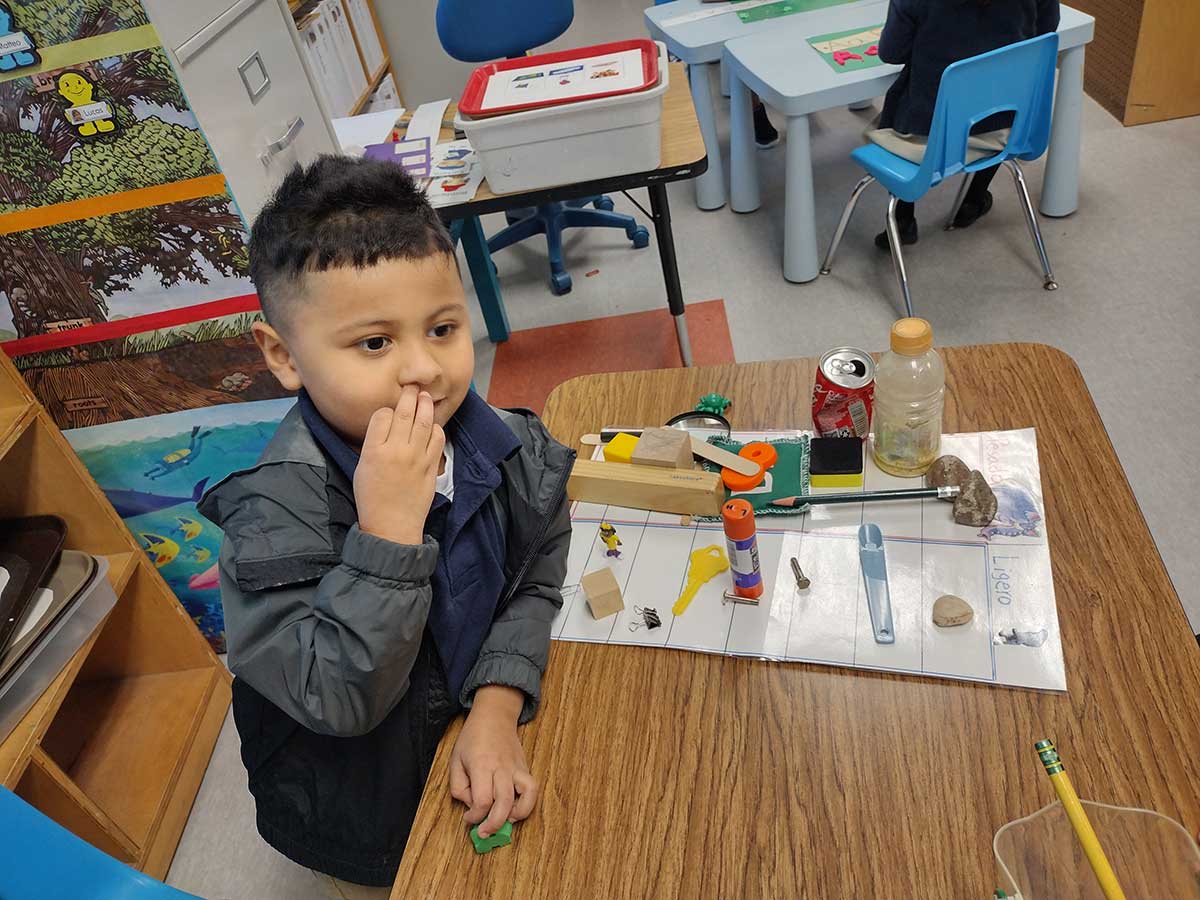
We channel their “what is that?” questions into classroom activities that explore natural happenings.
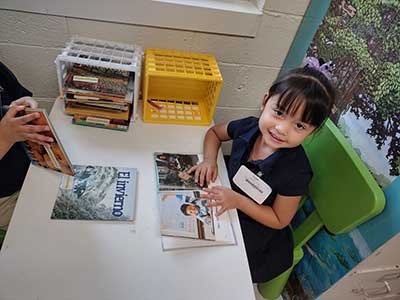
social studies

We explain social events and model the behaviors that build harmonious relationships.

to increase performance

Suggestions to make our classes more effective

To help your child get the most out of classroom learning, we encourage you to follow these simple yet effective strategies. By reinforcing these habits at home, you’ll support their focus, confidence, and academic growth.
Horarios de Clase
  • ENTRADA: Las puertas de la escuela se abren a las 7.30
  • Los alumnos se recogen del auditorio a las 7.50 am
  • SALIDA: Las clases terminan a las 3.10
  • RETARDOS: Si usted deja a su estudiante después de las 8.00 am se considera retardo, y 3 retardos hacen una falta.
  • DESAYUNO: El desayuno se sirve a las 7.50, si su alumno llega tarde despues de las 8, por favor considere que quizas ya no alcanzara desayuno.
Justificantes

Causa Medica

  1. Asegúrese de solicitar un justificante al médico de su estudiante.
  2. Tómele una fotografía y SIEMPRE envíelo en forma electronica a este correo: tybrown@dallasisd.org
  3. Asegúrese de mantener sus justificantes en un folder para aclaraciones futuras, ya que le pueden ser requeridos por la escuela o por la corte, en un caso dado.
  4. NUNCA envie este justificante a nosotros, ya que no se esta permitido que entreguemos esta información en papel. 
  5. Es importante hacer este proceso ya que Ustedes pueden tener problema con la Corte cuando hay más de 3 faltas obligándolos a pagar hasta $500 dólares.

Causa Personal

  1. De igual forma, escriba usted el justificante señalando la razón,
  2. Hable a la oficina de la escuela para indicarles el motivo
  3. Tómele una fotografía y SIEMPRE envíelo en forma electronica a este correo: tybrown@dallasisd.org
  4.  Asegúrese de mantener sus justificantes en un folder para aclaraciones futuras, ya que le pueden ser requeridos por la escuela o por la corte, en un caso dado.
Cambios en la forma de transporte

IMPORTANTE

  1. Evite lo más posible de mantener la forma de recoger a su niño/a, ya sea por autobús o por automóvil. Es decir, le pedimos que no lo esté cambiando constantemente. Por ejemplo, unos días en autobús y otros días en automóvil. Esto ocasiona ansiedad e incertidumbre a los pequeñitos por un lado,
  2. Por otra parte, considere que habrá ocasiones en que los maestros pudieran faltar ocasionando un posible riesgo por que el personal que nos cubre la ausencia, no conoce bien la forma en que su estudiante se va a casa.

RAZONES DE URGENCIA

  1. Los cambios en la forma de transporte se deberá hacer llamando a la oficina ANTES DE LAS 2.30 pm. Después de esta hora NO serán permitidos. Teléfono de la oficina 972.794.8600
  2. Nunca envíe este mensaje de cambio de transporte con el hermano o hermana más grande.
  3. No nos envie este mensaje de cambio por el texto de CLASSDOJO durante el horario de clases, ya que nosotros NO podemos ver estos mensajes hasta después de las 3.30 de la tarde.
  4. Recuerde siempre hablar a la oficina para avisar del cambio de la forma de transporte.
Horarios y Comunicación con el Maestro

Horarios

  1. Con mucho gusto estamos para atenderle y resolver sus preguntas. Si usted quiere hablar de alguna situación por favor haga una cita para después de las 3:30 de la tarde los días martes, miércoles, jueves y viernes. Dentro de este horario usted tendrá toda la privacidad, tiempo y atención por parte de nosotros. El otro horario que tenemos para poder atenderle es de 12.05 a 1.00 PM, los lunes, martes, miércoles, jueves y viernes, pero en este horario quizás nos veremos en la necesidad de cancelar las citas debido a planeación o actividades ordenadas por la directora de la escuela (de los dos horarios le sugerimos el horario de las 3.30 de la tarde ya que aquí contamos con más tiempo para atenderle).
  2. En los dos horarios que le mencionamos, por favor háganos saber de su intención con anterioridad para nosotros programar su cita.
  3. Conforme vayamos viendo el desempeño en clase de su estudiante, nosotros iremos agendando una cita con usted ya sea personal o por teléfono para darle a conocer nuestras sugerencias.

Comunicacion

  1. Nuestra forma de comunicación será mediante la aplicación ClassDoJo, por ese medio le enviaremos ya sea mensaje de texto, o le hablaremos personalmente por teléfono, según se necesite.
  2. Tenga en cuenta que yo solo podré leer y contestar los mensajes que usted me envie hasta después de las 3.30 de la tarde, ya que durante el día no puedo tener acceso a la computadora porque tengo que estar atendiendo a sus estudiantes en el salón de clase
Folder con Información
  1. Regularmente los miércoles se enviará a casa el folder de información de la escuela, en la mochila.
  2. Por favor lea la información que se incluye, y asegúrese de regresar el folder vacío en la mochila al día siguiente (jueves).
  3. No olvide firmar algún documento si así se le pide y regresarlo al día siguiente en el folder.
  4. NO OLVIDE regresar la mochila junto con el folder al día siguiente.


Registro en ClassDojo

Dar click en el siguiente link para saber como registrarse en esta aplicación. INSTRUCCIONES

Registro en PTA

Dar click en el siguiente link para saber como registrarse en pta

Mochilas y Utiles Escolares

MOCHILAS

El distrito por ahora esta proporcionando mochilas, si usted quiere enviar la suya propia, por favor que sea de tamaño mediano pues el espacio en donde se guardan es pequeño. 

ÚTILES ESCOLARES

  1. Enviar los útiles en una bolsa MARCADA con el NOMBRE del estudiante (solo poner el nombre en el exterior de la bolsa, no es necesario marcar cada util escolar)
  2. LINK DE UTILES
Cosas Extraviadas
  1. Algunas veces nuestros estudiantes de PK no comprenden que no hay que llevarse cosas del salón (manipulativos como ositos, caballitos o cositas que son juguetes), nosotros comprendemos que ellos están aprendiendo y no sucede nada.
  2. Solamente les pedimos que nos los envíen de regreso a la escuela en una bolsita de plástico una vez que detecten este tipo de cosas en las mochilas o pantaloncitos de sus estudiantes.


Uniformes, Cambios de Ropa

UNIFORMES

  1. Los colores del uniforme son CLICK AQUI
  2. El uniforme asignado se debe usar todos los días de Lunes a Viernes
  3. Solo los días “viernes” se podrá poner pantalón de mezclilla únicamente con playera con logotipo de la escuela, o con playera tipo “polo” azul marino ejemplo CLICK AQUI

CAMBIOS DE ROPA

  1. Le pedimos que envíe un cambio de ropa en una bolsa de plástico, con su nombre anotado en la bolsa por fuera.
  2. El cambio de ropa que se sugiere es de la cintura para abajo (calzoncito, pantalón, calcetas, zapatos).
  3. Si es el caso de que su niño/a tuvo un accidente de baño, nosotros le mandaremos la ropa sucia y le pedimos por favor que la regrese limpia al día siguiente.

ZAPATOS

  1. Procure lo más posible de que su niño/a use zapato o tenis de velcro ya que en el caso de zapato de agujeta ellos tienden a jugar con ellas cuando están sentados en la alfombra.
  2. Si es el caso de que sean zapatos con agujetas, por favor AMARRELAS lo más FUERTE posible. Por otro lado el traer bien amarradas sus agujetas (que los nudos no se deshagan fácilmente) les da más seguridad al caminar y al correr.
Talla de Ropa y Practica

PANTALONES, FALDAS Y CINTO

  1. En relación a los pantalones y faldas, trate de que sean con resorte elástico y no con botones o cinto, ya que para los estudiantes de edad de PK es más fácil subirlos y bajarlos ellos mismos cuando van al baño. También este tipo de pantalones de resorte elástico, les evita usar cinturón, el cual representa un problema para ellos cuando van al baño;
  2. Tenga en cuenta que ningún maestro o maestra estamos autorizados a entrar al baño para ayudar a un estudiante.
  3. Si es el caso de uso de pantalones de botón o broche, VERIFIQUE constantemente que el botón del pantalón o short de su niño/a se abrocha y desabrocha con facilidad.
  4. Si le queda apretada la prenda de vestir, entonces es momento de comprarle una talla más grande. Por favor practique con ellos como bajarse la ropa y como subirla antes y después de ir al baño.
  5. Cerciórese que su niño/a viene con su camisa por dentro de su pantalón. Practique esta actividad en casa de como meter su ropa dentro de su pantalón.
Joyería, Adornos, Juguetes
  1. No envie a su estudiante con joyeria, relojes, juguetes, o adornos de birllantes en la cabeza (en el caso de las ninas. La joyería se puede perder, los relojes y los juguetes solo les distraen al igual que los adornos.
Uso de Bano para los Varones
  1. Para los padres de varones, POR FAVOR entrénelos en casa a que suban la tapa y asiento de la tazas del baño cada vez que tienen que hacer del 1 (uno).
  2. Es importante que ellos aprendan esta cortesía para sus compañeras niñas. Por favor hagan que practiquen esta conducta todas las veces que sea necesario. MUCHAS GRACIAS.
Redirección de Conducta

1. Todos los días le pedimos que platique con su estudiante sobre su comportamiento en clase. Recuérdele siempre que Usted está en contacto con su maestro y que espera un buen comportamiento. No olvide felicitarle por su buen comportamiento, y en caso contrario platique con su estudiante sobre la manera correcta de comportarse.

2. En esta etapa los pequeños están aprendiendo cómo comportarse en sociedad, por lo que es importante que Usted en casa le hagan saber a su hijo/a que lo mejor es portarse bien en clase y con sus compañeros.

3. Por experiencia la mayoría de los niños pueden tener conductas no deseadas por su edad, es decir que pueden en ocasiones portarse un poco mal, siendo esto para nosotros una manera normal de comportamiento. Cuando esto ocurre, una vez que detectamos la conducta no deseada, ejemplificamos la conducta esperada y lo platicamos con los estudiantes en la clase, y en muchas ocasiones por ser faltas menores no se lo comunicamos a Ustedes; sin embargo cuando vemos que la conducta se sigue repitiendo y está afectando el desempeño escolar de los estudiantes, en ese momento nos comunicamos con Ustedes para identificar las causas y las posibles soluciones.

4. Siempre tengan en cuenta que Ustedes como padres y nosotros como maestros hacemos un equipo, y lo único que buscamos al comunicarnos con Ustedes por asuntos relacionados con la conducta de sus estudiantes, es con el único objetivo de ayudarles a ellos a ser mejores personas y mejores estudiantes.


Comportamiento en Casa

CONDUCTAS MODELADAS EN CASA

En Pk celebramos las diferentes personalidades y aptitudes de nuestros estudiantes que llegan a nuestro salón de clase, pero también tomamos en cuanta que algunos de ellos y ellas traen consigo conductas que pueden influir negativamente en su aprendizaje académico y en su interacción social con sus compañeros de escuela.

Para tratar de reducir o evitar estas conductas, vemos necesario que usted junto con su familia en casa, integre y practiquen enérgicamente las siguientes recomendaciones a su forma de tratar a su estudiante en casa.

Forma en que usted le trata:

Asígnele actividades o responsabilidades en casa. Pídale que le ayude a usted con cosas que ella/el pueda hacer. Con la asignación de actividades también se está logrando hacer más independiente a su estudiante.

  • Levantar su ropa
  • Levantar sus juguetes
  • Levantar la basura que esté por ahí tirada
  • Limpiar o levantar cosas que tira
  • Ponerse y quitarse su ropa
  • etc

Al pedirle usted que su estudiante haga las cosas, pídaselas diciendo “por favor levantas tu ropa”

Si lo hace

  • Dígale gracias por ayudarle (explíquele lo importante de su ayuda)
  • Dele un premio por su ayuda (un paseo, un dulce, pizza, helado, pastel en el fin de semana, etc)
  • Célebre en todo lo posible su “buena acción”

No lo hace, o no lo quiere hacer

  • Explíquele por que es importante que le ayude
  • Dígale que usted tiene un trabajo de llevarle alimento y ropa, y que el trabajo de ellos es ayudar
  • Quítele el uso de algo que su estudiante le gusta, dígale y recuérdele porque se lo quita.


Forma de Pedir las Cosas

Forma en que su estudiante le pide las cosas

  • No le de las cosas inmediatamente si no escucha las palabras” por favor”
  • Solo entonces dele la cosa que pide.

Si lo hace

  • Celebre la acción de su estudiante por pedirle las cosas “por favor”
  • Dele un premio por su ayuda (un paseo, un dulce, pizza, helado, pastel en el fin de semana, etc)

No lo hace, o no lo quiere hacer

  • Si no le puede dar esa cosa que quiere, explíquele por que no se la puede dar”
  • Si le hace berrinche, por favor no ceda, su estudiante tiene que entender que usted es la autoridad en su casa.
  • Si usted cede y le da las cosas debido al berrinche que hace, tenga por seguro que su estudiante trae esa conducta a la escuela.
  • Por favor no ceda, su estudiante tiene que entender que usted es la autoridad en su casa.
  • No permita que su estudiante le levante la mano amenazándole con pegarle, mucho menos permita que le pegue. Si este es el caso, usted tiene que tomar medidas enérgicas en casa para quitarle ese tipo de conducta.


Ordenes que Usted Proporciona

Ordenes de hacer o para algo que su estudiante este haciendo

  • Cuando usted le dé una orden a su estudiante, siempre pídalo diciéndole “por favor has esto” por favor deja de hacer eso” etc

Si lo hace

  • Dígale “gracias” por seguir su orden
  • Dele un premio por seguir su orden (un paseo, un dulce, pizza, helado, pastel en el fin de semana, etc).

No lo hace, o no lo quiere hacer

  • Vaya hacia su estudiante y explíquele el porqué de su orden
  • Recuérdele explicándole a su estudiante que usted ayuda con la comida y con la ropa que le proporciona, y que es trabajo de su estudiante ayudarle con seguir sus órdenes
  • Recuérdele que no le dará algún premio debido a la conducta que le está mostrando
  • Recuérdele que le va a quitar el uso de algo que su estudiante le gusta, cuando lo haga dígale porque se lo quita.
  • Por favor no ceda, su estudiante tiene que entender que usted es la autoridad en su casa.
  • Si usted no hace nada en casa para evitar este tipo de conducta en su estudiante, tenga por seguro que su estudiante mostrará esta actitud en la escuela.


Forma de Jugar con Otros Niños

Forma de jugar con los hermanos o amigos de su edad

Recuérdele a su estudiante que en la escuela siempre debe haber un respeto hacia las demás personas, y que este respeto comienza en casa.

  • Si usted observa que su estudiante utiliza algún tipo de agresividad al jugar o al relacionarse con niños de su edad (juega a pegar, a tocar la cara con el la mano, a aventar, etc), entonces usted debe:
  • Inmediatamente parar ese tipo de agresión o conducta no deseada y hablar con su estudiante
  • Explíquele que no es correcto jugar así ni tocar a otras personas
  • Explíquele que siempre debe haber un trato amable
  • Dígale que, en lugar de pegar, se debe ayudar a las personas

Si lo hace (usted observa acciones positivas)

  • Felicite su acción positiva (de no pegar, etc), Dele un premio por seguir su orden (un paseo, un dulce, pizza, helado, pastel en el fin de semana, etc).

No lo hace (usted sigue observando la acción negativa)

  • Recuérdele explicándole a su estudiante que usted ayuda con la comida y con la ropa que le proporciona, y que es trabajo de su estudiante ayudarle con seguir sus ordenes
  • Recuérdele que no le dará algún premio debido a la conducta que le está mostrando
  • Recuérdele que le va a quitar el uso de algo que su estudiante le gusta, cuando lo haga dígale porque se lo quita.
  • Por favor no ceda, su estudiante tiene que entender que usted es la autoridad en su casa.
  • Si usted no hace nada en casa para evitar este tipo de conducta en su estudiante, tenga por seguro que su estudiante mostrara esta actitud en la escuela.
Alergias y Condiciones de Salud
  1. En caso de que su niño/a sufra de algún tipo de alergia por clima o comida, O ALGÚN TIPO DE CONDICIÓN DE SALUD como asma, etc, por favor, lleve una nota a la enfermería. La enfermera se encargará de comunicarnos la situación de su estudiante.
  2. Cuando a su estudiante se le tengan que administrar medicamentos, llévelos a la enfermería y comuníqueles las indicaciones. Los maestros no tenemos permitido administrar medicamentos a los estudiantes.
Higiene

LIMPIEZA DE MANOS

Por favor siga las indicaciones del link de Higiene que son importantes considerar en la higiene de manos de sus estudiantes CLICK AQUI

Cambios en el Clima
  1. En el clima frio es necesario que comenzar a entrenar a sus estudiantes a como ponerse el suéter o la chamarra, así como a darle vuelta a sus suéteres o chamarras cuando están alrevez, a como subirse el cierre o a abrocharse los botones.
  2. Hay que procurar estar pendiente del clima del día siguiente, pues hemos notado que se envían estudiantes con suéteres muy ligeros, o con chamarras que no funciona bien el cierre. Recuerden que sus estudiantes son pequeños y a ellos les afecta el frio.
  3. Practiquen con ellos todos los días por favor


Schedule
  • The school doors open at 7:30.
  • Students are picked up from the auditorium at 7:50 a.m.
  • DISMISSAL: Classes end at 3:10.
  • TARDIES: If you drop off your student after 8:00 a.m., it is considered a tardy, and 3 tardies count as one absence.
  • BREAKFAST: Breakfast is served at 7:50. If your student arrives after 8:00, please note that they may not get breakfast.
Doctor’s Note

Medical Reason

  1. Make sure to request a doctor’s note for your student.
  2. Take a photo of it and ALWAYS send it electronically to this email: tybrown@dallasisd.org.
  3. Keep all your notes in a folder for future clarification, as they may be required by the school or by the court if necessary.
  4. NEVER send this note to us in paper form, as we are not allowed to handle this information physically.
  5. It is important to follow this process because you could have problems with the court when there are more than 3 absences, which could result in fines of up to $500.


Causa Personal

  1. De igual forma, escriba usted el justificante señalando la razón,
  2. Hable a la oficina de la escuela para indicarles el motivo
  3. Tómele una fotografía y SIEMPRE envíelo en forma electronica a este correo: tybrown@dallasisd.org
  4.  Asegúrese de mantener sus justificantes en un folder para aclaraciones futuras, ya que le pueden ser requeridos por la escuela o por la corte, en un caso dado.
Transportation Changes

IMPORTANT

  1. Please avoid changing your child’s pick-up method as much as possible, whether by bus or by car. In other words, we ask that you do not switch constantly—for example, some days by bus and other days by car. This causes anxiety and uncertainty for the little ones.
  2. Additionally, keep in mind that there may be times when teachers are absent, which could create a risk because the staff covering the absence may not know your student’s usual way of going home.

EMERGENCIES

  1. Changes in transportation must be made by calling the office BEFORE 2:30 p.m. After this time, changes will NOT be allowed. Office phone: 972-794-8600.
  2. Never send this transportation change message with an older sibling.
  3. Do NOT send this message through CLASSDOJO during class hours, as we cannot see these messages until after 3:30 p.m.
  4. Always call the office to notify us of any change in transportation.


Schedule and Communication with the Teacher

Schedule

  1. We are happy to assist you and answer your questions. If you would like to discuss any situation, please schedule an appointment after 3:30 p.m. on Tuesdays, Wednesdays, Thursdays, and Fridays. During this time, you will have full privacy, time, and attention from us.
  2. The other time we have available is from 12:05 to 1:00 p.m. on Mondays through Fridays, but during this time, we may need to cancel appointments due to planning or activities assigned by the school principal. (Of the two options, we recommend the 3:30 p.m. slot since we have more time to assist you.)
  3. For both time slots mentioned, please let us know in advance so we can schedule your appointment.
  4. As we observe your student’s performance in class, we will schedule an appointment with you—either in person or by phone—to share our suggestions.


Communication

  1. Our main form of communication will be through the ClassDoJo app. Through this platform, we will send you text messages or call you personally by phone, as needed.
  2. Please note that I will only be able to read and respond to messages you send me after 3:30 p.m., since during the day I cannot access the computer because I need to be attending to your students in the classroom


Information Folder
  1. Regularly, the school information folder will be sent home on Wednesdays in your child’s backpack.
  2. Please read the information included and make sure to return the folder empty in the backpack the next day (Thursday).
  3. Do not forget to sign any document if requested and return it the next day in the folder.
  4. ALWAYS remember to return the backpack along with the folder the following day


ClassDojo Registration

Click on the following link to learn how to register in this application  INSTRUCTIONS

Backpacks & School Supplies
  1. BACKPACKS
    The district is currently providing backpacks. If you want to send your own, please make sure it is medium-sized because the storage space is small.
  2. SCHOOL SUPPLIES
    Send the supplies in a bag MARKED with the student’s NAME (only write the name on the outside of the bag; it is not necessary to label each individual item).
    SUPPLIES LINK


Lost & Found
  1. Sometimes our PK students do not understand that they should not take things from the classroom (manipulatives like little bears, horses, or small items that are toys). We understand that our small students are learning, and it’s okay.
  2. We only ask that you send these items back to school in a plastic bag once you notice them in your student’s backpack or pockets.


Uniforms, Change of Clothes
  1. UNIFORMS
    Click HERE to see the uniform colors.
    The assigned uniform must be worn every day from Monday to Friday.
    Only on Fridays may students wear jeans, but only with a school logo t-shirt or a navy blue polo shirt (example: Click HERE).
  2. CHANGE OF CLOTHES
    Please send a change of clothes in a plastic bag with your child’s name written on the outside.
    The suggested change of clothes is from the waist down (underwear, pants, socks, shoes).
    If your child has a bathroom accident, we will send the dirty clothes home and kindly ask that you return them clean the next day.
  3. SHOES
    Please try to have your child wear shoes or sneakers with Velcro, as with lace-up shoes they tend to play with the laces when sitting on the carpet.
    If they wear lace-up shoes, please tie them as tightly as possible. Properly tied laces (knots that do not easily come undone) give them more safety when walking and running.
Clothing Size and Practice

PANTS, SKIRTS, AND BELTS

  1. For pants and skirts, please try to choose ones with elastic waistbands instead of buttons or belts, as this makes it easier for PK students to pull them up and down by themselves when using the bathroom. Elastic waistbands also eliminate the need for a belt, which can be a problem for them during bathroom breaks.
  2. Please note that teachers are not authorized to enter the bathroom to assist a student.
  3. If your child wears pants with a button or clasp, CHECK regularly that the button opens and closes easily.
  4. If the clothing is too tight, it’s time to buy a larger size. Please practice at home how to pull clothes down and up before and after using the bathroom.
  5. Make sure your child comes with their shirt tucked into their pants. Practice this activity at home as well.
Jewelry, Accessories, Toys
  1. Do not send your student with jewelry, watches, toys, or shiny hair accessories (for girls). Jewelry can get lost, and watches and toys only distract them, as do decorative accessories.
Bathroom Use for Boys
  1. For parents of boys, PLEASE train them at home to lift the toilet seat and lid every time they need to urinate.
  2. It is important that they learn this courtesy for their girl classmates.
  3. Please make sure they practice this behavior as many times as necessary. THANK YOU VERY MUCH.
Why behavior is important:

1. We kindly ask that you speak with your child daily about their behavior in class. Remind them that you are in communication with their teacher and that you expect respectful and positive behavior. Be sure to praise them when they behave well, and if they don’t, take time to talk with them about how to act appropriately.

2. At this age, children are learning how to interact in social settings. It’s important that you reinforce at home the value of behaving respectfully in class and with their classmates.

3. Based on our experience, it’s normal for young children to occasionally display behaviors that aren’t ideal for their age. When this happens, we address it by modeling the expected behavior and discussing it with the class. Since these are usually minor issues, we don’t always notify you. However, if a behavior becomes frequent and begins to affect your child’s learning, we will reach out to work together on identifying the cause and finding solutions.

4. Please remember that we, as teachers, and you, as parents, are partners working together. Our shared goal in discussing your child’s behavior is to support their growth—helping them become not only better students but also better individuals.”

Behavior at Home

BEHAVIORS MODELED AT HOME

  1. In preschool, we celebrate the unique personalities and abilities each student brings to the classroom. At the same time, we recognize that some behaviors learned at home may negatively affect a child’s academic progress and social interactions with peers.
  2. To help reduce or prevent these behaviors, we encourage you and your family to consistently practice the following recommendations at home. These actions not only support positive behavior but also promote independence and responsibility in your child.

How to support your child at home:

  1. Assign age-appropriate tasks and responsibilities. Encourage your child to help with simple activities they are capable of doing. This helps build independence and a sense of contribution.

Examples include:

  • Picking up their clothes
  • Putting away their toys
  • Throwing away trash properly
  • Cleaning up spills or messes they make
  • Dressing and undressing themselves
  • Other tasks suitable for their age


Encouraging Responsibilities at Home
  1. When you ask your child to do something, use kind and clear language. For example:
    “Please ……… pick up your dirty clothes.
  • Pick up their toys and clean small messes
  • Put away their clothes, shoes, and personal items
  • Help sweep with a child-sized broom
  • Carry spoons, plates, and plastic cups from the table to the sink or laundry area

If your child follows through:

  • Thank them sincerely for their help. Let them know why their help matters.
    Example: “Thank you for helping! That shows you’re growing up and learning to take care of yourself.”
  • Offer a small reward to reinforce the behavior. This could be something special like:
  • A weekend treat (ice cream, pizza, cake)
  • A fun outing (park, movie, trip)
  • Extra playtime or a sticker
  • Celebrate their good deed with enthusiasm. Praise goes a long way in building confidence and motivation.

If your child refuses or doesn’t want to do it:

  • Explain why it’s important for them to help.
    Example: “Helping at home teaches you how to take care of yourself and others.”
  • Share your role and theirs:
    “My job is to bring you food and clothes. Your job is to help with small tasks.”
  • Use consequences thoughtfully:
    If needed, take away something they enjoy (like screen time or a toy), and clearly explain why.
    “I’m taking away tablet time today because you didn’t help when I asked. You can earn it back by helping next time.”


Teaching your child how to ask for things respecfully

Helping your child learn to ask for things politely is an important part of their social and emotional development. Here are some suggestions to guide this process at home:

When Your Child Makes a Request:

  • Wait for them to say “please” before giving them what they’re asking for.
    Example: “Can I have juice, please?”
  • If they say “please”:
  • Praise them for using polite language.
    “Great job asking nicely!”
  • Offer a small reward to reinforce the behavior. This could be:
  • A weekend treat (ice cream, pizza, cake)
  • A fun activity (trip to the park, movie night)
  • Extra playtime or a sticker
  • Celebrate their good manners with enthusiasm.

If They Don’t Say “Please” or Refuse to Use It:

  • Gently remind them that polite words are important.
    “I’ll be happy to help once you ask nicely.”
  • If you can’t give them what they want, explain why in a calm and clear way.
    “We’re not having candy right now because it’s almost dinner time.”
  • If they throw a tantrum, do not give in. It’s important that your child understands that you are the authority at home.
    Giving in during a tantrum teaches them that this behavior works—and they may bring it to school.
  • If your child raises their hand to hit or actually hits, this is a serious behavior that must be addressed firmly.
    Strong and consistent consequences should be applied at home to discourage aggression and teach respect.


Giving clear clear commands and setting expectations at home

Teaching your child to follow directions respectfully is essential for their success both at home and in school. Here are some helpful strategies:

When You Give a Command:

Use polite and clear language, such as:
“Please do this,” or “Please stop doing that.”

If Your Child Follows the Command:

  • Thank them for listening and cooperating.
    “Thank you for stopping when I asked. That shows respect and responsibility.”
  • Offer a small reward to reinforce the positive behavior. Examples include:
  • A walk or outing
  • A treat (candy, pizza, ice cream, cake)
  • Extra playtime or a sticker

If Your Child Refuses or Resists:

  • Approach calmly and explain the reason behind your request.
    “I asked you to stop because it’s not safe.”
  • Remind them of your role and theirs:
    “I take care of you by providing food and clothes. Your job is to listen and follow directions.”
  • Let them know that rewards are earned through cooperation.
    “We won’t have a treat today because you didn’t follow directions.”
  • Apply consequences consistently:
    If needed, take away something they enjoy and explain why.
    “I’m taking away tablet time because you didn’t listen. You can earn it back by following directions next time.”

Important Reminder:

Please do not give in to tantrums or resistance. Your child needs to understand that you are the authority at home. If boundaries are not enforced at home, your child may carry those behaviors into the classroom or to other places.

Also, never allow your child to raise their hand to hit or threaten to hit you. If this happens, it’s important to take firm and consistent action to correct the behavior and teach respect.

Teaching your child to play respectfully with siblings and friends

It’s important for children to learn how to interact respectfully with others, especially those their own age. These skills begin at home and carry over into the classroom and beyond.

What to Teach Your Child:

  • Remind them that mutual respect is expected at school—and it starts at home.
  • Model and encourage kindness during playtime with siblings or friends.

If You Notice Aggressive or Inappropriate Behavior (e.g., hitting, touching faces, throwing objects):

  1. Stop the behavior immediately and speak calmly but firmly with your child.
  2. Explain clearly that it is not okay to play in a way that hurts or bothers others. “We don’t hit or throw things. That’s not how we treat people.”
  3. Teach empathy and kindness:
    “Instead of hitting, let’s help our friends or ask them to play nicely.”
  4. Reinforce positive behavior by praising gentle and respectful play.


Alergias y Allergies and Health Conditions
  1. If your child suffers from any type of allergy due to weather or food, OR ANY TYPE OF HEALTH CONDITION such as asthma, please bring a note to the nurse’s office. The nurse will be responsible for informing us about your student’s situation.
  2. When your student needs to be given medication, please take the medication to the nurse’s office and communicate the instructions.
  3. Teachers are not allowed to administer medication to students.


Hygiene

Hand Hygiene

Please follow the instructions in the Hygiene link, which are important to consider for your students’ hand hygiene.  CLICK AQUI

Cold Weather Reminder
  1. During cold weather, it is important to start training your students on how to put on their sweater or jacket, how to turn them right-side out if they are inside out, and how to zip up or button them.
  2. Please make sure to check the weather for the next day, as we have noticed that some students come with very light sweaters or jackets with broken zippers. Remember that your students are little, and cold weather affects them.

Please practice with them every day.


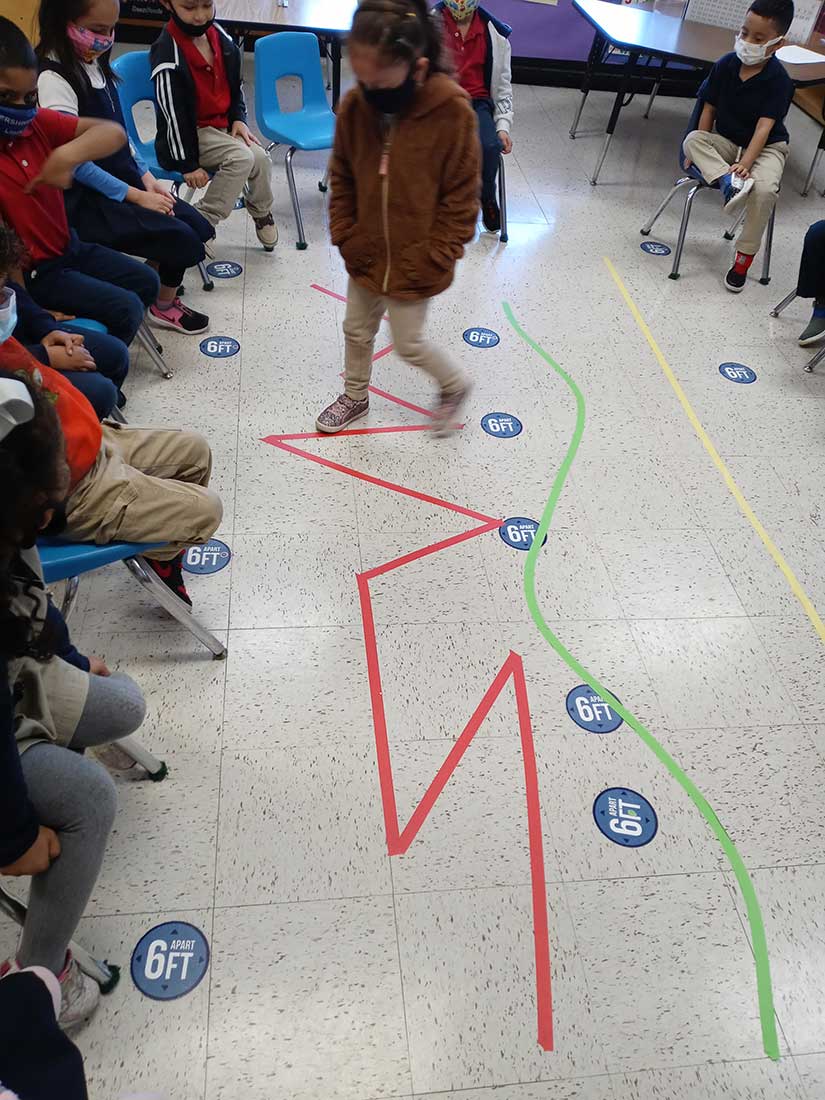
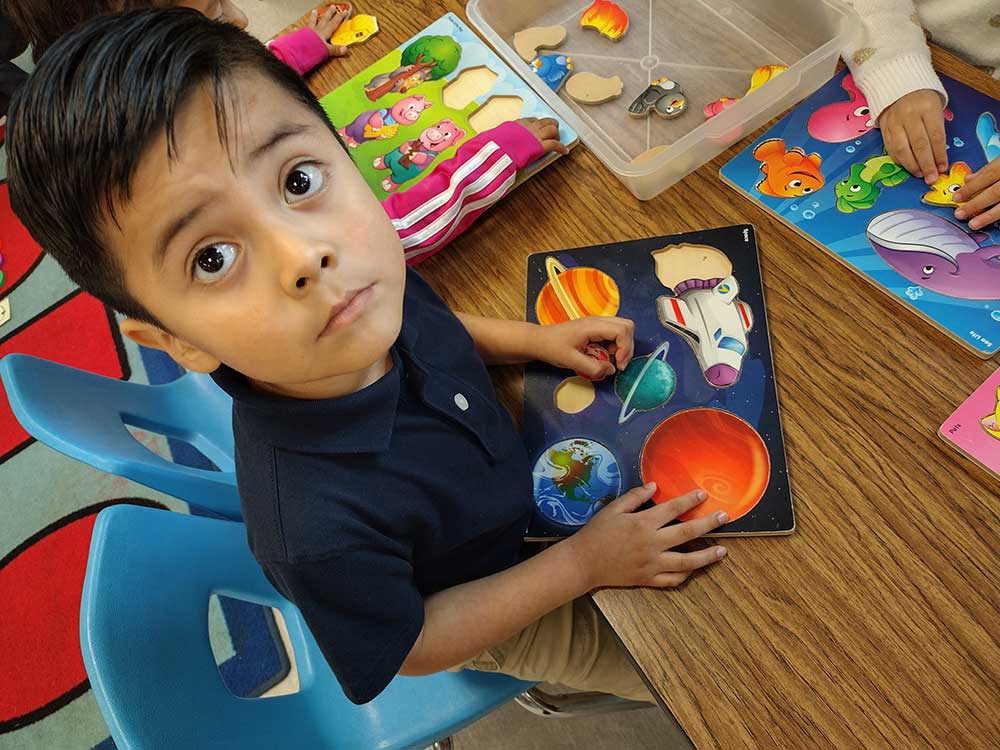
“Developing essential skills like problem-solving, collaboration, and creativity through purposeful play.”

Our Practice at Home

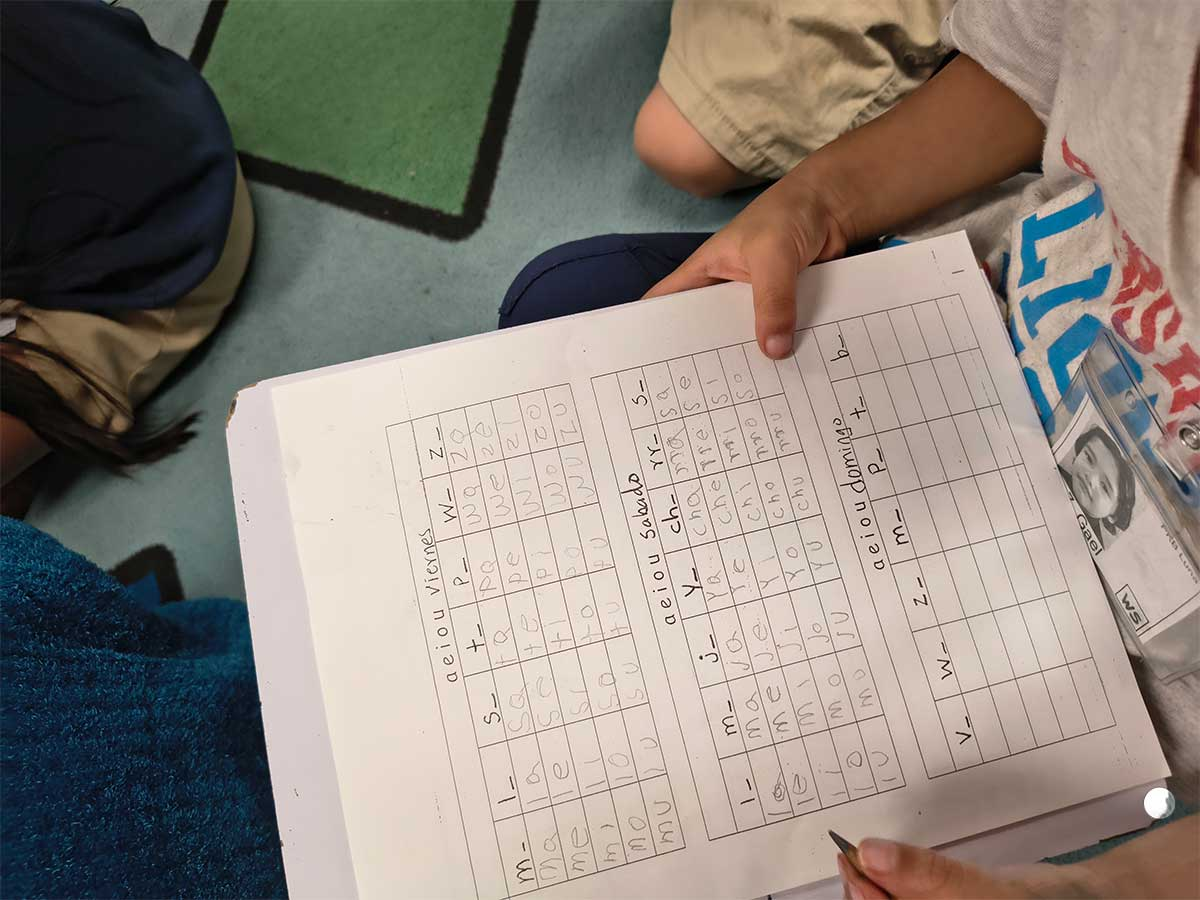
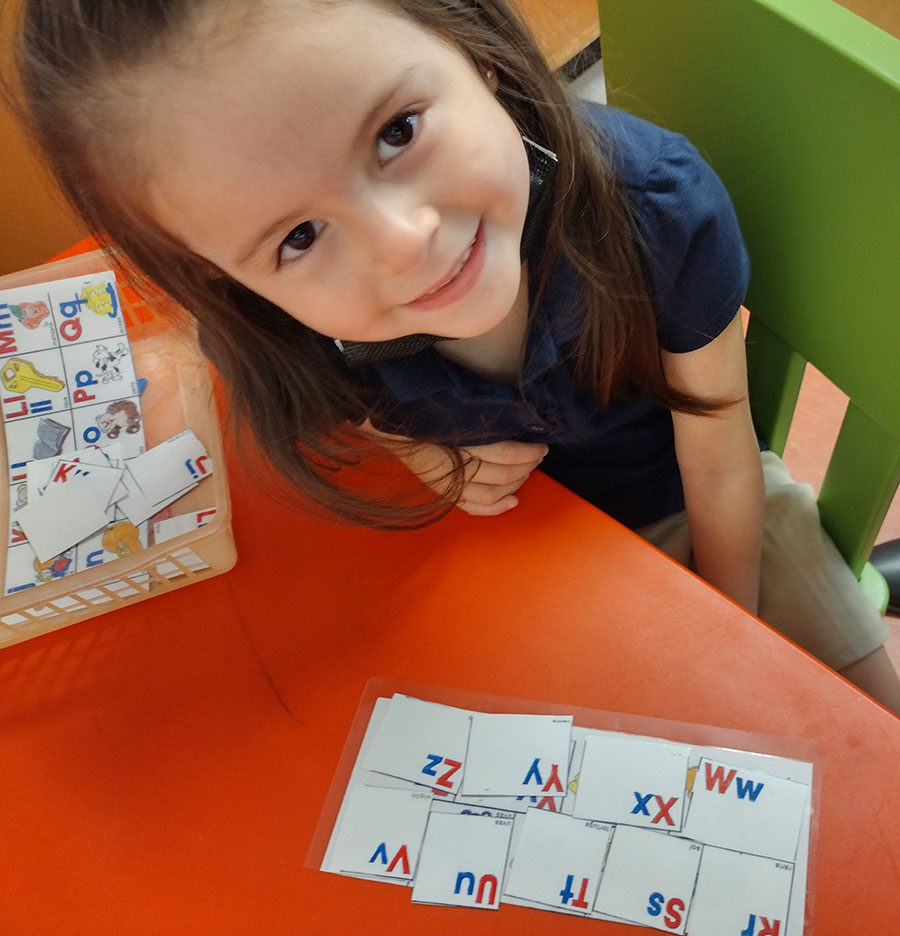
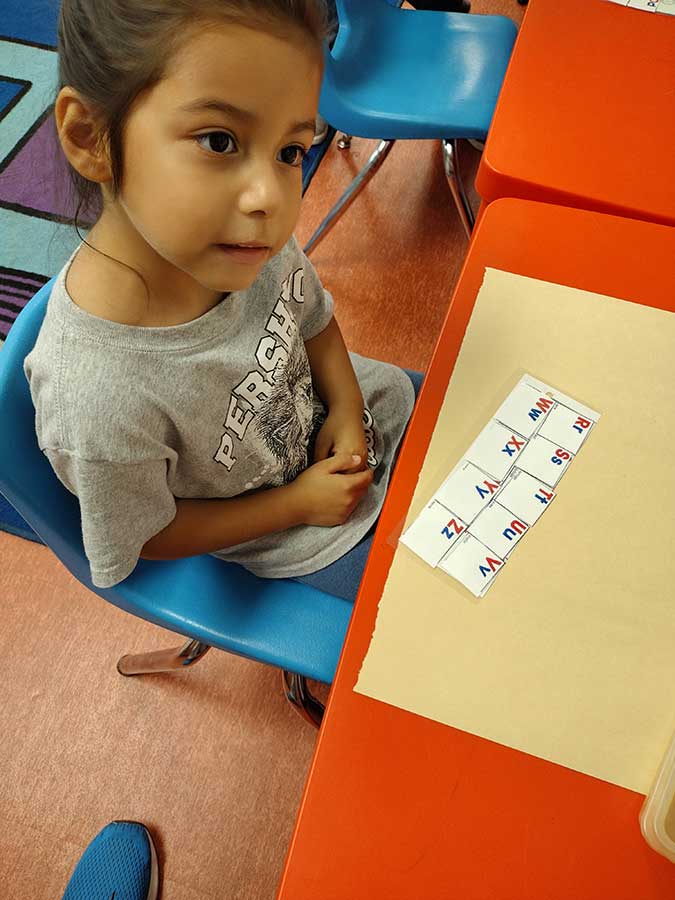
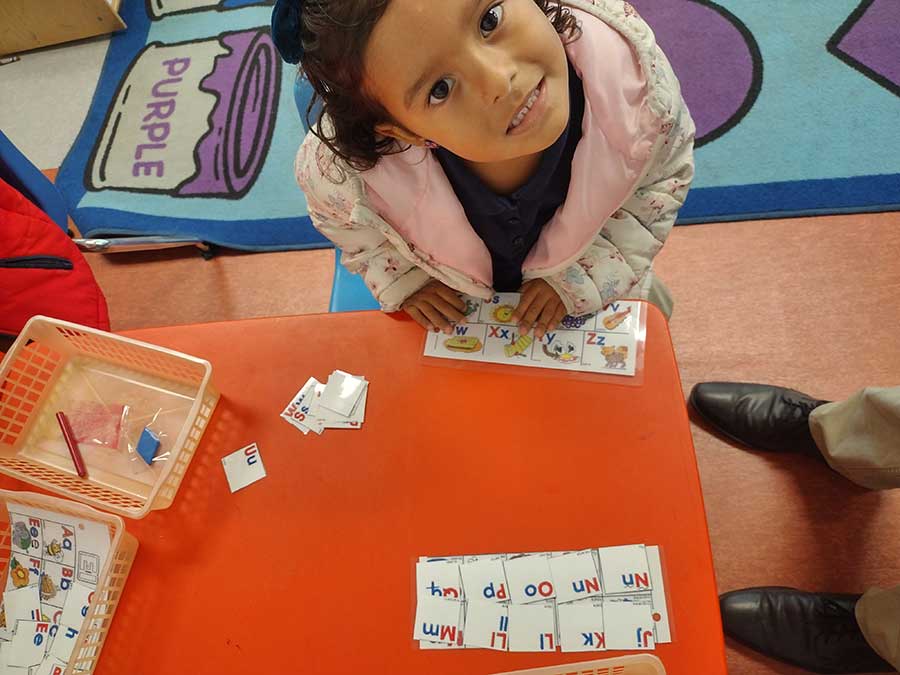
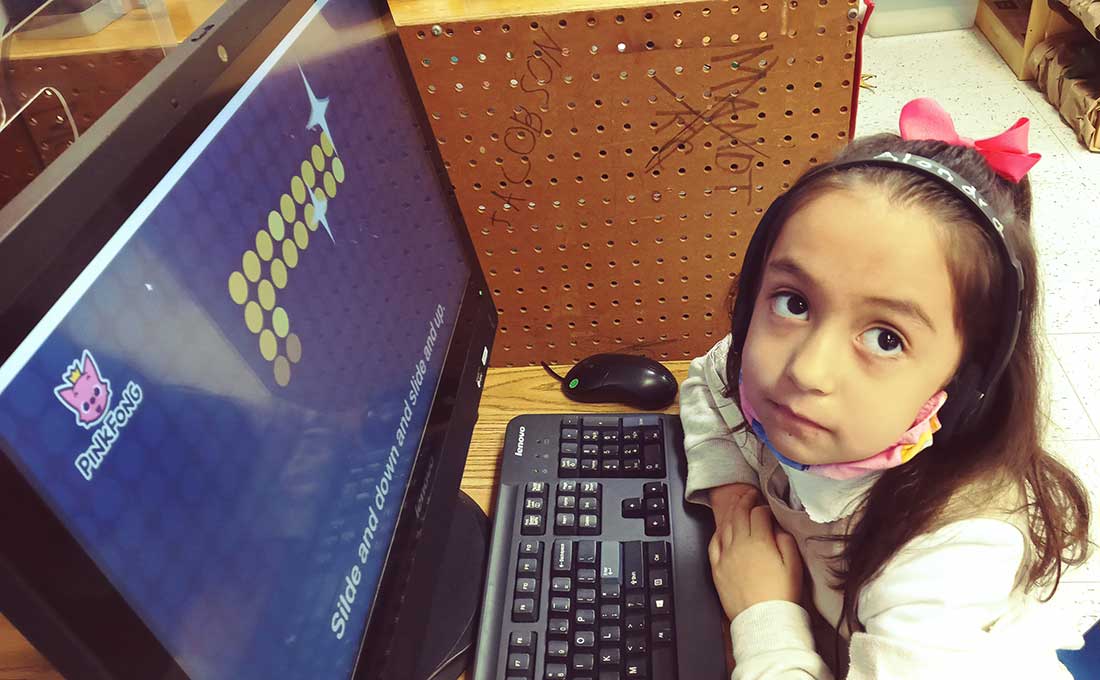
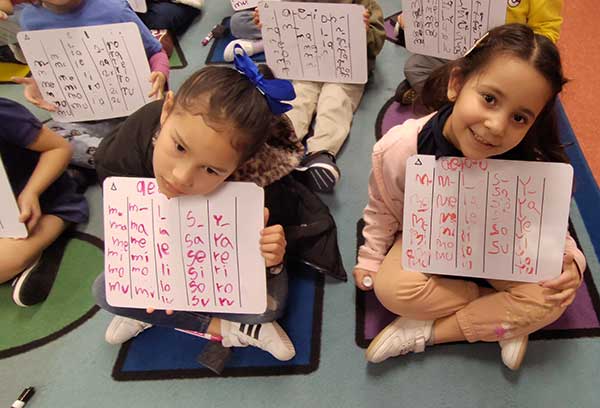
The following interactive activities will help your child strengthen the basic academic skills needed for success in Pre-K. Just 10 minutes a day makes a difference.

Every time your PK students have the opportunity to practice at home our suggested activities, they grow stronger, more confident, and ready to shine in the classroom. With your support, they will develop the maturity and self-assurance needed to participate joyfully with their peers. Together, we can help them succeed!
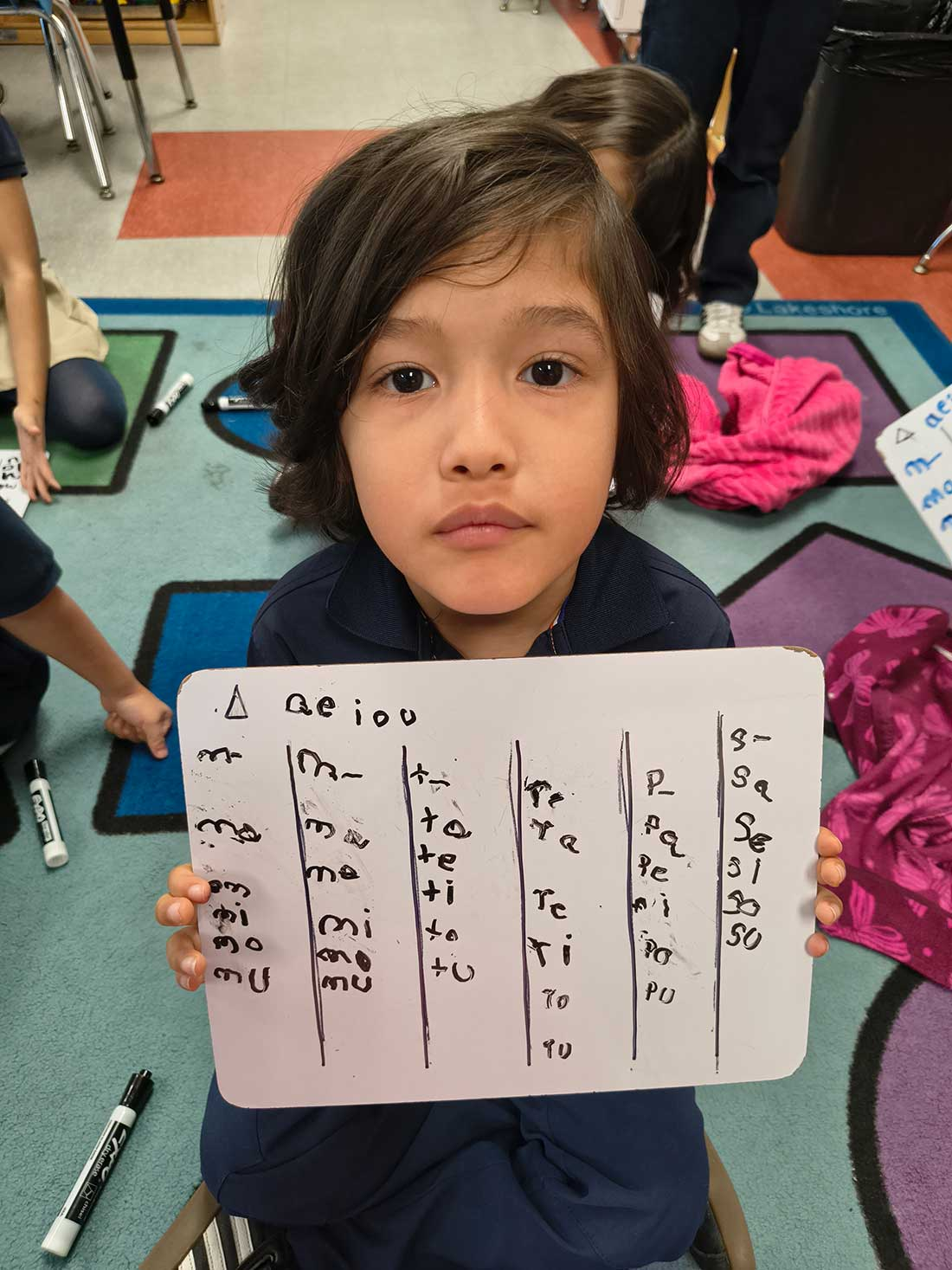
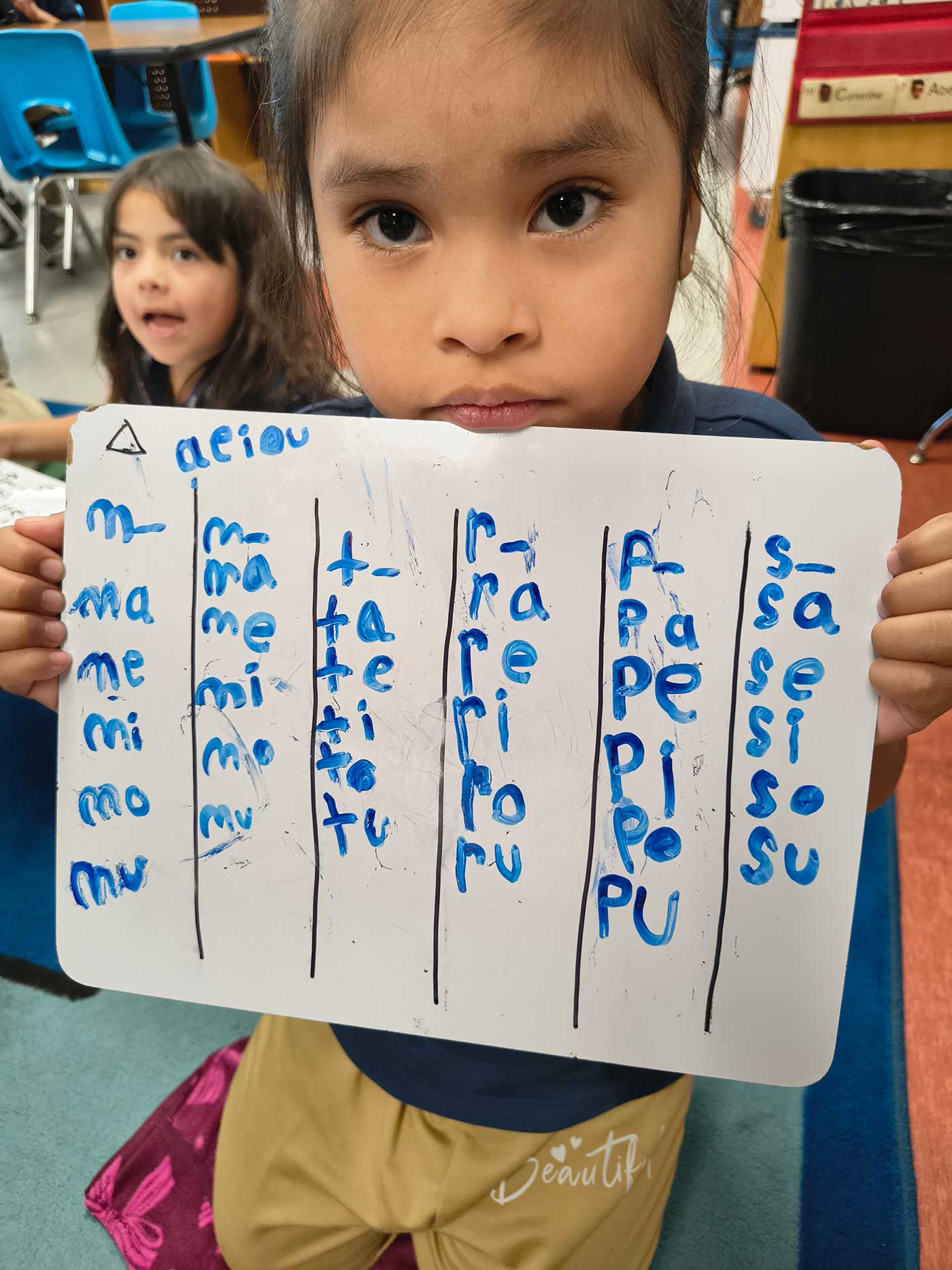
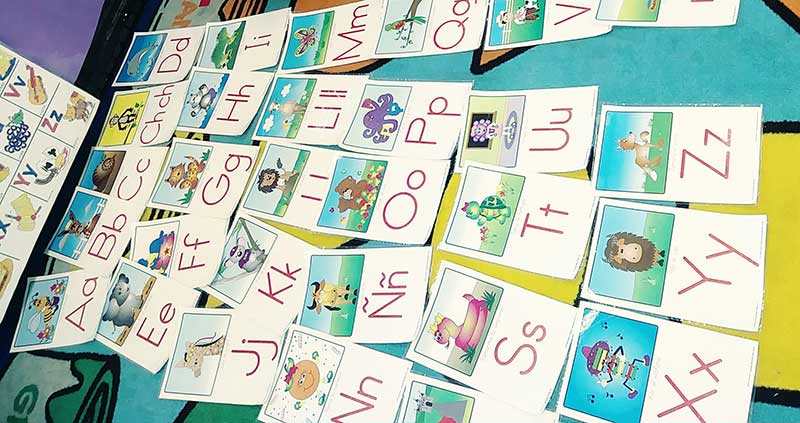
Alfabeto

a) ETAPA 1 – SIMBOLOS
Alfabeto con Dibujos

Trate de que su estudiante coloree con rojo y azul las letras del alfabeto, ver ejemplo en link arriba.

PRACTICA: Ayude a su estudiante y haga con el 1 o 2 veces la actividad del video.

PRACTICA: Ayude a su estudiante y haga con el 1 o 2 veces la actividad del video.

PRACTICA: Ayude a su estudiante y haga con el 1 o 2 veces la actividad del video.

Alfabeto sin Dibujos

PRACTICA: Ayude a su estudiante y haga con el 1 o 2 veces la actividad del video.

PRACTICA: Ayude a su estudiante y haga con el 1 o 2 veces la actividad del video.

b) ETAPA 2 – NOMBRES
Alfabeto con Dibujos

PRACTICA: Ayude a su estudiante y haga con el 1 o 2 veces la actividad del video.

El link de arriba lo va a llevar a un sitio en donde puede hacer práctica interactiva

Seleccione para su estudiante las prácticas que quiera de el sitio web del link de arriba.

c) ETAPA 3 – SONIDOS 
Alfabeto con Dibujos

PRACTICA: Ayude a su estudiante y haga con el 1 o 2 veces la actividad del video.

PRACTICA: Ayude a su estudiante y haga con el 1 o 2 veces la actividad del video.

Seleccione para su estudiante las prácticas que quiera de el sitio web del link de arriba.

d) DESCANSO INTERACTIVO
Para Bailar

Usted puede dar un descanso interactivo con los videos de arriba (2 a 3 canciones de baile) a su estudiante después  5 a 10 minutos de trabajo. 

Lectura, Fonetica, Escritura

Alphabet, CVC words, HFW

b) STAGE 2 – SOUNDS 
Alphabet sounds

Select the youtube videos to practice the alphabet sounds.

c) STAGE 3 – CVC WORDS
CVC families

Click the button to play different CVC rules.

Click the button to play CVC Stories.

b) STAGE 4 HFW
High Frequency Words

Click the button to play HFW videos

d) BREAK
Para Bailar

“You can give your student an interactive break with the videos above (2 to 3 dance songs) after 5 to 10 minutes of work.”

Reading Comprehension, Phonics, Writing

Our work in numbers

Throughout my years as a bilingual teacher with the Dallas Independent School District, my mission has always extended beyond simply equipping my students with academic tools. I am deeply committed to building strong partnerships with you—the parents—because together, as a united team, we can create the most supportive and enriching environment for our children’s growth and success.

years of experience
0
Students in class
0

do with dedication

Francisco Luna

  • Certified Bilingual Teacher since 2006
  • Ron Clark Academy – Trainning
  • Master in Management – Southern Oregon University
testimonials

what parents say about our teaching

Opinions from families and the community are a compass for our classroom work. They tell us whether children feel safe and engaged, whether learning experiences connect to home cultures and routines, and whether our communication and logistics are clear and helpful.

Estoy muy satisfecha con el trabajo de los maestros de pre-K mi niño aprendio demasiado el trato excelente

KATHERINE BENITEZ

PK 2021 – 2022

Yo soy la mamá de Esteban el estuvo en PKB el año 21/22 y estoy muy agradecida con el maestro Francisco Luna, la preparación académica que les brinda, es excelente mi hijo aprendió mucho, y estoy viendo el fruto de su esfuerzo, vale la pena apoyar a nuestros hijos, y motivo a los padres para que ayuden a sus niños en conjunto con el maestro para formar lo mejor de ellos

ARELY ANDINO

PK 2021 – 2022

Buenas tardes pues mi comentario es que es un buen maestro porque mi nino aprendio muchas cosas academicas con usted y Ms uniano les agradesco mucho por su tiempo y pasiensia con el y por ensenarle mucho saludos

SANDRA UMANZOR

PK 2021 – 2022

Lo recomiendo mucho los maestro son exelentes personas y su forma de dirijir also estudiantes estupenda me sinto summente satisfecha con su trabajo y lo mucho que aprendio mis ninas Mama de Allison Martinez

MARIA PUENTE

PK 2021 – 2022

Mi hijo estubo con mr luna y es un eccelente maesro lo ayudo muchisimo estoy muy agradecida con el Mama de Liam.

ALEXA OSORTO

PK 2021 – 2022

Tell me and I forget.

Teach me and I remember.

Involve me and I learn.

Benjamin Franklin